A hardwired GPS tracker connects directly to the vehicle’s electrical system, which means it never needs charging, never depends on an OBD port, and can be hidden where nobody thinks to look. The price of that permanence is installation: someone has to find the right circuit, connect power safely, and accept that the vehicle has been modified. This guide explains how hardwired trackers work, compares them honestly with OBD and magnetic alternatives, covers the DIY-versus-professional decision and the fuse and battery questions buyers actually ask, and reviews the hardwired models we can verify from official manufacturer documentation.
How do hardwired GPS trackers work, and who are they for?
A hardwired tracker is powered continuously by a vehicle circuit, so it can report location around the clock without battery charging or OBD-port dependence.
Where an OBD tracker borrows the diagnostic port and a magnetic tracker carries its own battery, a hardwired unit taps a protected circuit — usually via a fuse connection — and stays energized whether the engine is on or off. The device can therefore wake on movement, report tamper events and stay ready for weeks of parking without a recharge. That is the behavior fleet operators and theft-conscious owners want: tracking that does not depend on someone remembering to charge it.
Hardwired tracking fits vehicles that stay in service, assets where an OBD port is not available or accessible, and owners who want the most tamper-resistant consumer option. It is overkill for a daily driver that already has an easy OBD port, and it is the wrong choice for anyone unwilling to accept a permanent electrical connection or the warranty and lease questions that come with it. The best car GPS trackers hub places the three form factors side by side so the category decision comes first.
Hardwired vs OBD vs magnetic: which trade-offs decide?
Hardwired wins on always-on power and tamper resistance, OBD wins on simplicity, and magnetic wins on zero-wire concealment with battery trade-offs.
| Dimension | Hardwired | OBD plug-in | Magnetic battery |
|---|---|---|---|
| Power source | Vehicle circuit, always on | OBD port | Internal battery |
| Install effort | Fuse/wire connection | Plug in | Magnet, no tools |
| Concealment | Good, hidden wiring | Poor, visible plug | Good |
| Tamper resistance | Good — no plug to pull | Weak — easy to unplug | Medium |
| Vehicle modification | Yes | No | No |
| Maintenance | Minimal | Minimal | Recharge schedule |
The decisive question is what “always on” is worth to you. If a thief can pull the tracker out of the OBD port in seconds, a plug-in gives you no theft protection at all. If your vehicle sits for months and battery discipline is unreliable, a magnetic tracker may go silent at the wrong moment. Hardwired removes both failure modes but asks you to modify the vehicle correctly — which is why the next sections matter as much as the device choice.
Which hardwired models are documented and worth evaluating?
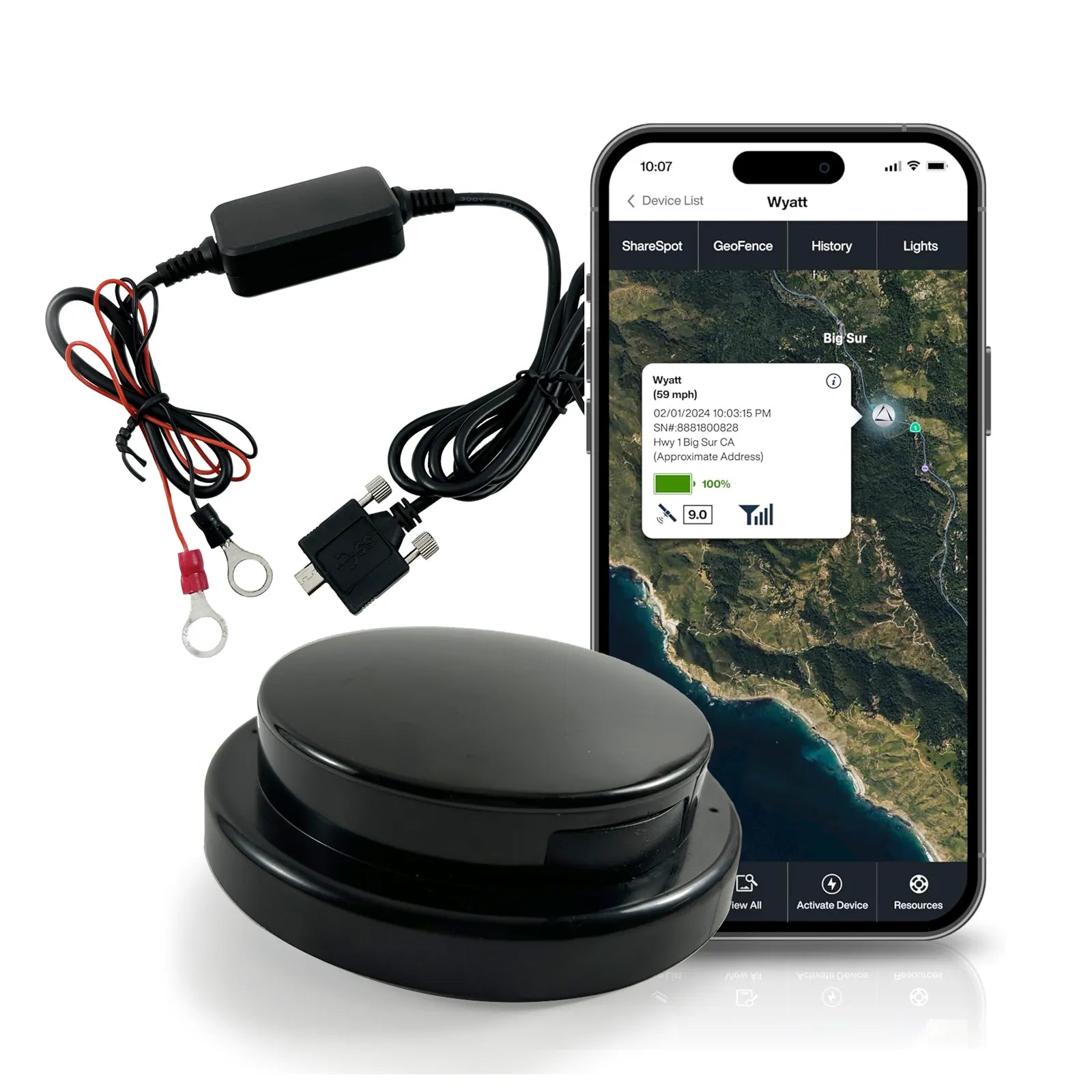
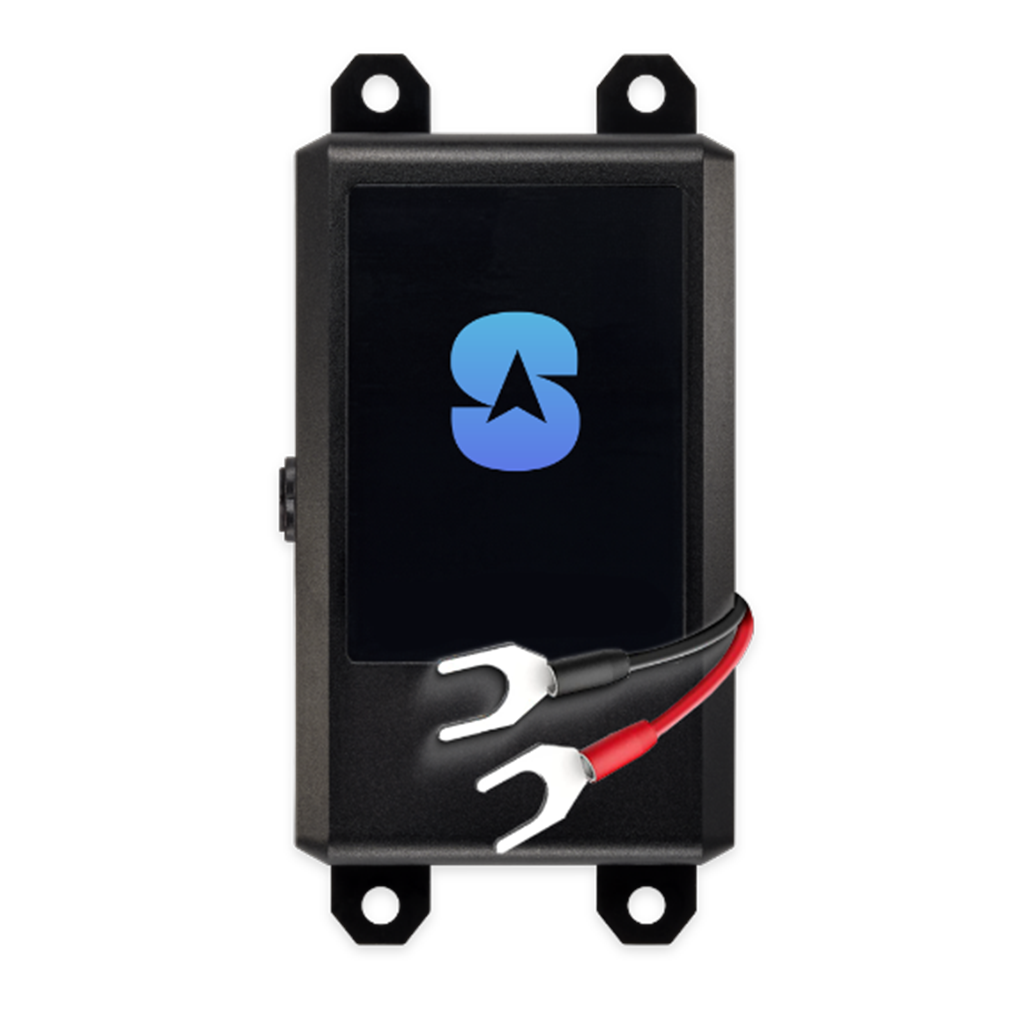
The hardwired models we can verify from official manufacturer pages are the LandAirSea Overdrive Permanent and the Spytec Pulse, both sold with cellular subscriptions.
LandAirSea sells the Overdrive Permanent GPS Tracker with hardwire cable for owners who want a permanent, always-powered LandAirSea unit. Spytec sells the Pulse hardwired vehicle GPS tracker, which its product page describes as wiring to the battery, hidden install and rapid updates, with a free tracker included in its plan structure. Brickhouse Security’s TrackPort Pro is a strong premium option for buyers who want OBD convenience plus diagnostics — it plugs in rather than hardwiring, so we cover it in the OBD comparison rather than here.
A transparency note: some seller listings promote “Optimus”-branded hardwired trackers, but we could not verify a current official manufacturer page or documentation for those models during this review cycle. Our policy is to exclude hardware we cannot trace to an official source, and to tell you when we do, rather than repeating marketplace claims.
What does a hardwired tracker cost in year one?
Year-one cost includes the device, any professional install, and twelve months of the cellular plan, and the install is the cost most buyers forget.
Hardwired trackers still transmit over cellular networks, so a subscription is required with both verified models above. LandAirSea and Spytec publish their plan options on their official pages, and our no-subscription guide explains the prepaid-annual alternative for buyers who want one bill instead of twelve. On top of device and plan, add installation: a professional install typically costs more than the difference between a hardwired and an OBD tracker, so the honest year-one comparison must include labor.
Some buyers skip the professional install to save money, which can be reasonable for confident DIYers and expensive for everyone else. If the wiring is wrong, the tracker may be silent, the fuse may blow, or the vehicle’s electrical system may be damaged — costs that dwarf the install fee. Budget for install the way you would for a dash cam or remote starter, not as an optional extra.
Can you hardwire a GPS tracker yourself safely?
Yes, if you can identify a fused circuit, match the right fuse tap, and follow the manufacturer’s wiring instructions exactly; otherwise use a professional installer.
DIY hardwiring is not inherently dangerous, but it is unforgiving of shortcuts. The core rules are simple: disconnect or protect the battery while working, connect to a fused circuit sized for the device, use the fuse tap that matches your vehicle’s fuse type, and secure the ground to clean metal. The manufacturer’s install guide is the authority for the specific device — both verified models ship with official wiring documentation — and a vehicle-specific diagram from the fuse-box manual tells you which slots are switched and which are always on. Fleet-vendor explainers such as Azuga’s comparison of hardwired versus plug-and-play devices cover the same trade-offs for commercial installs, and manufacturer support pages such as Brickhouse’s TrackPort manual and FAQ show what a documented install guide looks like.
If any step is unclear — which fuse slot to use, whether the circuit is always powered, or how to route the cable without pinching it — stop and use a professional. The difference between a clean install and a short circuit is rarely visible in advance, and an audio or security installer can usually finish the job in under an hour.
Which fuse or circuit should you connect?
Connect the tracker to a fused circuit sized for the device, choosing always-on for 24/7 reporting or switched for off-with-ignition behavior.
Always-on circuits (courtesy lights, door locks, some accessory slots) keep the tracker powered while parked, which is what makes hardwired tracking valuable for theft response. Switched circuits (cigarette lighters on many cars, radio circuits) power down with the ignition, which protects the battery but leaves the device silent while parked — defeating the purpose for most hardwired buyers. The right choice depends on the behavior you want, not on which slot is easiest to reach.
Fuse size matters: use the fuse value the manufacturer specifies, never a larger one “to be safe,” because the fuse protects the wiring, not the device. Use a fuse tap that matches the vehicle’s fuse format (mini, micro or ATO), insert it into the correct slot, and confirm the circuit is not shared with a safety-critical component such as the airbag system or the engine control module. When in doubt about a slot, consult the vehicle’s fuse diagram or a professional.
Does a hardwired tracker drain the battery?
A correctly installed hardwired tracker draws a small continuous current, which is safe for daily drivers but can drain a battery during very long storage.
The device’s draw is modest — comparable to other always-on accessories — and modern units enter low-power standby when the vehicle is parked. For a car driven regularly, the alternator easily replaces that load. For a vehicle stored for weeks or months, any always-on load matters, and an aging battery is the usual failure point. Owners who store vehicles should use a maintainer or disconnect the battery, or choose a tracker with a documented low-power sleep mode.
If the battery repeatedly dies after installation, the problem is usually one of three things: the tracker was connected to an unswitched circuit with a higher draw than expected, the circuit chosen is too heavily loaded, or the install has a short. Diagnose by measuring the draw with the vehicle off before blaming the device — and never hide an electrical problem by installing a larger fuse.
What are the lease, warranty and insurance implications?
Hardwiring modifies the vehicle, so leased cars and some warranty or insurance policies require permission or a professional install before you connect anything.
A lease agreement typically requires the car to be returned in its original condition, and a hardwired tracker with cut wires or tapped circuits can be grounds for a return charge. Even where the lease is silent, the safe route is written permission from the lessor and a reversible, professional install. Warranty coverage is similar: a clean, documented installation rarely causes problems, but an electrical fault traced to an aftermarket tap can lead to a denied claim, so keep the install records.
Insurance treatment varies by carrier. Some insurers offer discounts for approved tracking or theft-recovery devices, while others require notification of aftermarket electrical work. Ask your carrier before installing, and keep the device model, install date and installer documented. Consent law applies here too: hardwiring a tracker into a vehicle you do not own or are not authorized to track is not something this guide supports — see our responsible-use policy.
Where can you hide a hardwired tracker?
Hide it where wiring can run discreetly and the device keeps a usable GPS view, such as behind interior trim, under a dash panel or inside the center console area.
Hardwired trackers are smaller than most buyers expect, which opens hiding spots an OBD plug can never use. Common installations tuck the device behind the dashboard, under the kick panel, inside the center console or behind rear trim, with power run to a nearby fused circuit and the antenna positioned for sky access. The device needs a GPS and cellular signal, so a fully enclosed metal cavity is a poor hiding spot even when it conceals the hardware perfectly.
Professional installers know which trim panels are safe to remove and where the wiring harnesses run, which is another argument for professional installation on vehicles you care about. Test the install by parking in the same places you normally park and confirming the app still reports location before you rely on the tracker.
Which mistakes should you avoid when choosing a hardwired tracker?
Buyers most often fail by skipping install planning, choosing the wrong circuit, or buying hardware with no verifiable manufacturer documentation.
- Choosing hardwired without planning the install: budget for professional labor if you are not confident.
- Using an always-on circuit when you want the device off with the car — or vice versa: pick the circuit for the behavior you need.
- Oversizing the fuse: the fuse protects the wiring, and a bigger fuse is not safer.
- Hiding the device where it cannot get a signal: concealment must leave room for GPS and cellular reception.
- Buying unverifiable brands: if there is no official manufacturer page or manual, there is no documentation to trust.
Hardwired trackers are the most capable consumer option when the install is done properly and the device comes from a verifiable manufacturer. Decide first whether permanent, tamper-resistant tracking justifies modifying your vehicle; if it does, pay for the install quality and the documentation the same way you pay for the device.
FAQ: hardwired GPS trackers
Can I hardwire a GPS tracker myself?
Yes, if you can identify a fused circuit, use the correct fuse tap and follow the manufacturer’s wiring guide. If any step is unclear, use a professional installer — a bad connection can silence the tracker or damage the vehicle’s electrical system.
Is a hardwired tracker better than an OBD tracker?
For always-on power and tamper resistance, yes; for simplicity, no. Hardwired units cannot be pulled out of an OBD port and do not depend on port power, but they modify the vehicle and need careful installation. Choose by which failure mode matters more to you.
Does a hardwired tracker drain the battery?
It draws a small continuous current when connected to an always-on circuit, which is fine for daily drivers but can matter during long storage. Use a maintainer for stored vehicles or confirm the device’s low-power standby behavior in the manual.
Which fuse should I use?
Use the fuse value the manufacturer specifies and a fuse tap matching the vehicle’s fuse format, on a circuit that is not safety-critical. Always-on circuits keep the device reporting while parked; switched circuits power it down with the ignition.
Comparing your install options before you modify a vehicle? Use the hub guide to weigh OBD, magnetic and hardwired side by side, then read the OBD and magnetic pillar guides to confirm which limits you can live with.