A car GPS tracker is only as useful as the network it talks on. If the device rides a network generation that carriers are retiring, “real-time” quietly becomes “sometimes”, and a tracker that worked at purchase can go silent a few years later. This explainer covers what 4G LTE means inside a tracker, how LTE, LTE-M and Cat-1 modules differ, which coverage questions to ask before buying, what update intervals really cost, and how the current 4G LTE models from Bouncie, Vyncs, Tracki and LandAirSea compare on paper.
How do 4G LTE GPS trackers work, and where do they fit?
A 4G LTE tracker combines GPS positioning with a cellular modem that sends location in near real time over the carrier data network to the vendor’s app.
The GPS receiver figures out where the device is; the LTE modem transmits that position, plus movement and alert data, to the tracker vendor’s servers; the app or web dashboard turns it into a map. Because the modem uses the same networks as phones, coverage follows cellular signal rather than Bluetooth range or a nearby phone’s location. That single difference is why 4G trackers are the baseline for car theft recovery, fleet oversight and any tracking that must work when you are not nearby.
4G LTE fits every tracker form factor we cover in the best car GPS trackers hub: plug-in OBD devices such as Bouncie, battery magnetic devices such as Tracki and LandAirSea 54, and hardwired fleet units. Where each form factor fails or excels is a power and installation question, not a network question — the network question is whether the device will still report years from now.
Which trade-offs decide whether you need 4G LTE over older networks?
Buy 4G LTE or newer because carriers have been retiring 2G and 3G networks, and a tracker on a dead network stops reporting entirely.
| Concern | Why it matters | What to check |
|---|---|---|
| Network sunset | Old networks are being switched off region by region | Device network: 4G LTE or newer, not 2G/3G |
| Coverage | Carrier footprint decides whether the car reports in your area | Which carrier(s) the vendor uses |
| Update cost | Frequent updates use more data and cost more per month | Plan tier and its documented update interval |
| Battery life | Cellular transmission drains battery trackers between fixes | Standby mode and update schedule on magnetic devices |
Most vendors have already moved their current lineup to 4G: Bouncie markets its OBD device as 4G LTE, Vyncs sells 4G+ plans on AT&T and T-Mobile networks in the US, and Tracki and LandAirSea sell 4G devices with worldwide or US coverage claims. If a listing still highlights 3G compatibility, treat it as a clearance product unless the vendor documents a supported path forward.
Which cellular technology should a 2026 tracker use: LTE, LTE-M or Cat-1?
Consumer trackers in 2026 mostly use standard LTE or lower-power LTE-M modules, while Cat-1 is common in fleet hardware that needs voice or faster throughput.
LTE-M (LTE for machines) is designed for low-power devices that send small data bursts, which is exactly what a battery tracker does, and it reaches places standard LTE struggles to cover indoors. Cat-1 offers higher throughput and is often used in OBD or fleet devices that stream richer data, at the cost of higher power draw. Most consumer trackers do not publish the module class, so buyers should evaluate behavior instead: how often the device reports, how long the battery lasts in standby, and which carrier network the vendor uses.
Vendor documentation gives the practical anchor points. Vyncs describes its 4G+ devices operating on AT&T and T-Mobile in the US and documents GPS sampling and upload intervals per plan tier. Tracki documents 4G LTE plus international roaming in 190+ countries. LandAirSea 54 is marketed as 4G LTE with global coverage claims. Those documents matter more than the module name on a spec sheet.
What does a 4G LTE tracker cost over 12 months?
Year-one cost is the device plus the cheapest plan that delivers the update rate you need, and the plan usually costs more than the hardware.
Bouncie sells the device as a one-time purchase with a required monthly subscription and a discount at three or more devices. Vyncs bundles device, SIM and first-year service into annual plans with no monthly fee. Tracki keeps hardware cheap and charges plans from about $9.95 per month. LandAirSea 54 lists subscriptions starting around $19.95 per month. Those are the numbers to compare, and they change, so the vendor pricing page is the source we re-check at publication.
The hidden cost of 4G is the update tier. A plan that reports every few minutes costs more than a battery-save plan that reports a few times a day, and buyers who need theft-grade updates should price the tier that actually delivers them rather than the tier that merely keeps the SIM alive.
How hard is installation compared across 4G trackers?
Installation difficulty follows the form factor, not the network: OBD devices plug in, magnetic devices mount in minutes, and hardwired units need wiring.
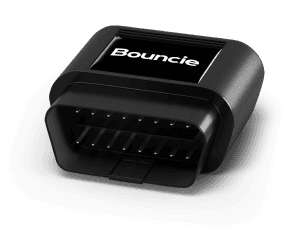
A 4G OBD tracker such as Bouncie needs only the car’s diagnostic port and takes minutes to fit. A 4G magnetic tracker such as Tracki or LandAirSea 54 mounts to a clean steel surface with no wiring, then needs a charging routine. A 4G hardwired unit is the most work, typically requiring a fuse connection and careful placement, which is why our hardwired explainer spends as much time on installation as on hardware.
Network setup is the part buyers underestimate: the SIM must be activated, the plan chosen and the device registered in the vendor’s app before the first location appears. Vendors have simplified this to a few minutes on current devices, but the account and plan step is still part of installation, and it is where most setup confusion happens.
How accurate and how often do 4G LTE trackers update?
Accuracy depends on GPS reception and antenna placement, while update frequency is set by the vendor’s plan tier and device settings.
Open-air GPS fixes are accurate enough to locate a car or verify a route for every mainstream tracker; the differences show in parking garages, metal enclosures and urban canyons where the GPS signal is weaker. Update frequency is documented differently by vendor: Vyncs publishes sample and upload intervals per tier (its Basic tier samples every 60 seconds and uploads every three minutes while the engine runs), Spytec’s GL300 manual describes a standard pattern of resting updates and faster reporting while moving, and Bouncie’s feature list emphasizes instant updates for location and alerts. Compare the interval you actually need rather than the word “real-time”.
For theft response, the first update after the car moves is the one that matters. A tracker that wakes on movement and reports within a minute gives you a usable lead; one that waits for a scheduled check-in every few hours may only tell you where the car was, not where it is going.
What are the battery and power realities of 4G LTE trackers?
LTE transmission draws power, so battery trackers trade update frequency for battery life while OBD and hardwired units borrow vehicle power.
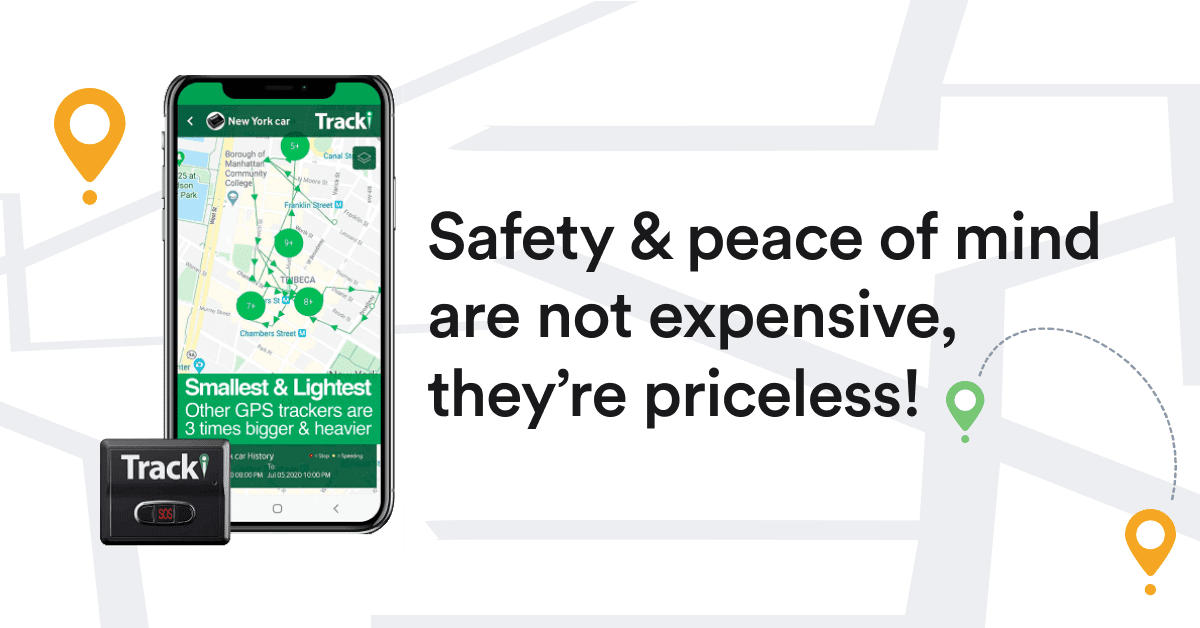
Tracki’s official page quantifies the trade-off: about one month in battery-save mode versus two to three days at frequent updates, with optional larger batteries extending the interval. LandAirSea 54 advertises a powerful battery whose life depends on usage and update frequency. OBD devices such as Bouncie avoid battery management but depend on the car’s port power, which raises the battery-drain question covered in our OBD explainer. Hardwired units remove the battery question entirely but modify the vehicle.
The practical rule: pick the power architecture that matches how the vehicle sits. A daily driver can tolerate an OBD device; a stored car, trailer or boat needs a battery device with a realistic recharge routine or a hardwired install with its own power path.
Which carrier networks should you check before buying?
Check which carrier or carriers the vendor uses in your country, and confirm their coverage map includes the places the vehicle actually goes.
Coverage claims are only as good as the underlying network. Vyncs states its US plans run on AT&T and T-Mobile; Tracki documents worldwide roaming through its built-in SIM; LandAirSea markets global coverage; Bouncie describes US-based service without naming a single network on its pricing page. Before buying for a specific area, verify the vendor’s stated carrier footprint against the coverage in your parking area, garage and normal routes — a tracker is useless in the one dead zone where the car spends the night.
Do not assume a device sold in the US works optimally in Canada or Europe, and do not assume international roaming is included. Vendors vary between domestic plans and global SIMs, and the difference shows up in both coverage and monthly cost.
Which mistakes should you avoid when choosing a 4G LTE tracker?
The common mistakes are buying legacy-network stock, choosing the cheapest plan tier for a theft-critical job, and ignoring where the car parks.
- Buying 3G or unclear-network hardware: confirm the device is 4G LTE or newer and the vendor documents the carrier.
- Pricing the SIM, not the behavior: the cheapest tier may update too slowly for theft response.
- Ignoring the parking location: test coverage where the car sits, not just where you drive.
- Forgetting the power architecture: a battery tracker needs a recharge routine; an OBD unit needs the port powered.
- Trusting “real-time” without an interval: ask the vendor what the documented update interval is at your plan tier.
4G LTE is the safe floor for any tracker bought in 2026, but the network is only half the story. The other half is the plan tier, the power architecture and the coverage where the vehicle actually sits — match all three and the tracker will be reporting when you need it.
How do you buy a 4G LTE tracker at the right price?
Buy from the vendor or an authorized retailer, add twelve months of the needed plan tier to the device price, and confirm the network before checkout.
Compare official pricing pages rather than marketplace totals that bundle hardware and subscription into one number. Check whether the device is sold with a plan (Vyncs) or separately (Bouncie, Tracki, LandAirSea) and whether the vendor charges activation or SIM fees. Verify the return window and cancel terms before committing to an annual plan, because subscription terms — not hardware — are where most tracker costs hide. Our no-subscription guide explains when an annual prepay beats a monthly plan and when it does not.
FAQ: 4G LTE GPS trackers
What is the difference between 4G LTE and LTE-M in a GPS tracker?
LTE-M is a low-power LTE variant built for small, infrequent data bursts, which suits battery trackers. Standard LTE and Cat-1 handle richer data but draw more power. Most consumer trackers do not publish the module class, so compare update intervals and battery life instead.
Which 4G network do GPS trackers use?
It varies by vendor and region. In the US, Vyncs documents AT&T and T-Mobile networks, while Tracki and LandAirSea market worldwide or global coverage with their SIMs. Check the vendor’s stated carrier footprint against coverage where you park.
Does a 4G tracker work everywhere?
No. A 4G tracker works wherever the vendor’s carrier has signal, so coverage gaps exist in garages, rural areas and buildings. Test the device in your parking location before relying on it for theft response.
Why does my tracker fall back to 2G or 3G?
Older devices fall back when the 4G signal is weak or when the network is unavailable. Because carriers are retiring 2G and 3G, a fallback network may not exist soon; check whether your device is 4G-only or supports a documented fallback in your region.
Compare 4G LTE trackers by form factor and total cost in the best car GPS trackers hub, then read the OBD, magnetic and hardwired pillar guides for the installation and power trade-offs.