Battery life for a GPS tracker ranges from days to months, and the difference is update frequency, not battery size: a tracker that reports every minute drains in days, while one that checks in a few times a day can last weeks or months. This guide explains the math, the vendor numbers you can verify and how to test your own device.
What decides battery life?
Update frequency is the main factor, followed by signal strength: every transmission costs power, and weak signal forces retransmission.
A tracker in battery-save mode reporting a few times a day can run for weeks; the same device at frequent updates lasts days. Signal also matters — a tracker in a poor-coverage garage drains faster than one with a clear signal. Settings and environment, not brand, decide the number.
What numbers can you verify?
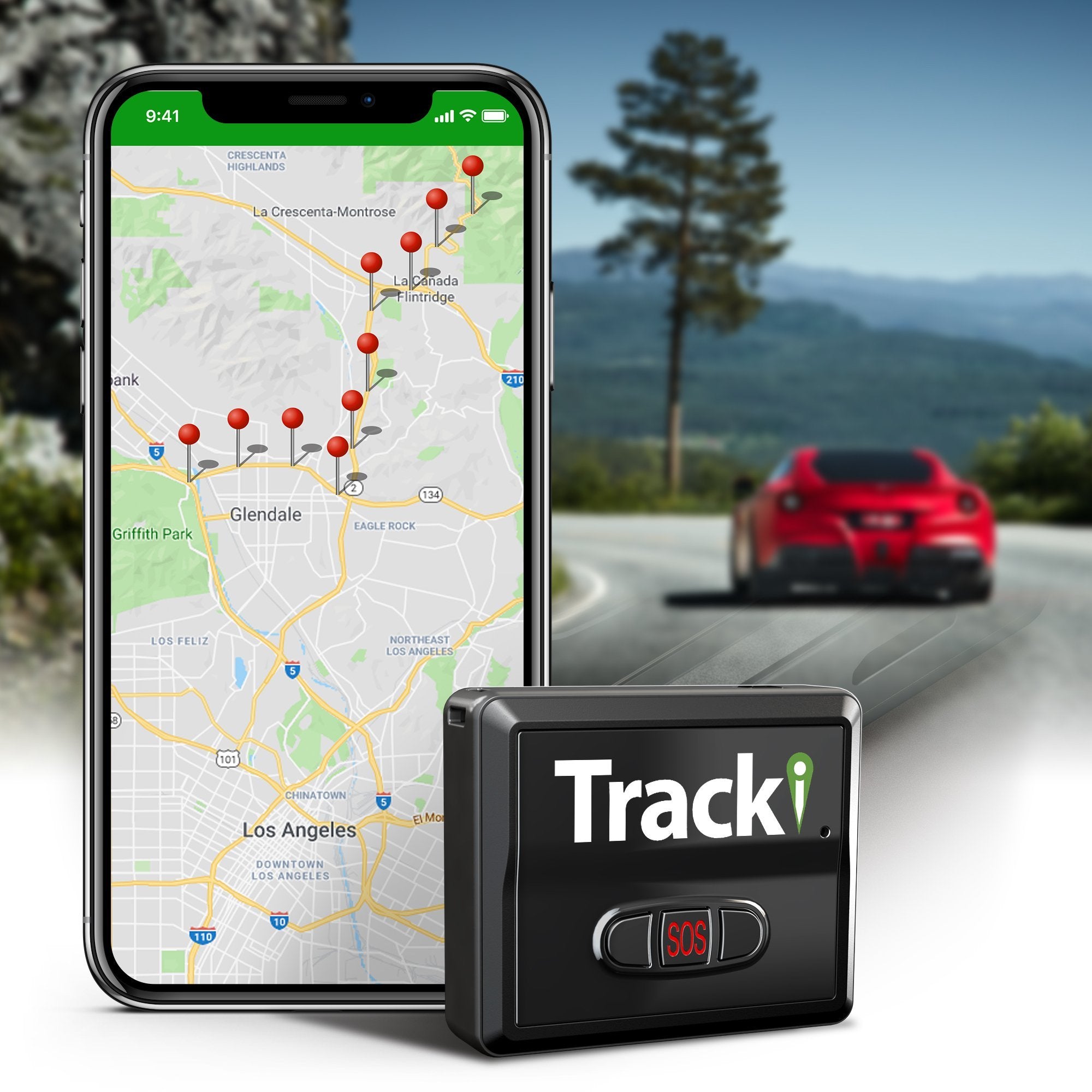
Tracki documents about one month in save mode and days at frequent updates, with an optional larger battery; Spytec’s lineup adds long-term designs.
Tracki’s official page publishes battery modes and an optional larger battery; LandAirSea describes its 54’s battery as tuned by usage and update frequency; Spytec’s store sells long-term trackers for multi-month standby. Read the update setting attached to any claim before comparing.
| Mode | Typical battery life | Best use |
|---|---|---|
| Battery-save | Weeks to months | Stored assets, trailers |
| Moderate updates | Days to weeks | Daily vehicle checks |
| Frequent updates | Days | Theft-prone assets, live tracking |
How do you test your own tracker?
Set the mode you plan to use, record the charge date, park where the device will live and check the battery level weekly.
Vendor numbers assume specific settings and signal, so your real number may differ. Test in the actual storage location, note how quickly the battery drops and set a recharge reminder at the interval you observe. A silent tracker is worse than none, so the reminder is part of the setup.
What are the common mistakes?
Buyers most often compare battery claims without the update setting, or leave fast modes running on assets that sit for months.
A one-month claim at a few daily updates is very different from live tracking, and a theft-ready mode left on a stored car drains the pack long before the season ends. Match the mode to the asset: fast updates for theft-prone vehicles, battery-save for storage. The long-battery list compares verified options.

What is the bottom line on battery life?
Expect days at fast updates and weeks to months in battery-save, then test your own settings and signal before trusting the number.
Battery life is a setting you choose, not a fixed spec. Pick the mode for the asset’s risk, test it where the device lives and recharge on a calendar schedule, and the tracker will be alive when it matters.
Related questions owners ask
Which GPS tracker has the longest battery?
Tracki’s save mode and Spytec’s long-term designs lead the verified list, but the real answer depends on the update mode you select and your signal.
Does weak signal drain the battery faster?
Yes. The modem retransmits when signal is weak, which uses more power than a strong-signal update.
Should I leave a tracker in fast mode?
Only for theft-prone assets you can recharge often. For stored vehicles, battery-save is the right mode.
Compare battery options in the long-battery list, then test your chosen mode in the real location before relying on it.