Tracki is the tracker that keeps appearing in “most versatile” conversations, and the reason is its price-to-flexibility ratio: a tiny magnetic device, a worldwide SIM, plans from about $9.95 a month and enough battery modes to cover everything from luggage to a car. This review evaluates Tracki against its official product documentation, its published plan tiers and the battery-versus-update math that decides how useful it is for your asset. We do not claim independent road-test measurements; the evaluation is based on documented specifications, platform features and owner-reported patterns treated as anecdotal.
What is Tracki, and who is it for?
Tracki is a compact magnetic 4G LTE mini tracker with a worldwide SIM and low-cost plans, aimed at owners tracking cars, bikes, luggage, pets and equipment.
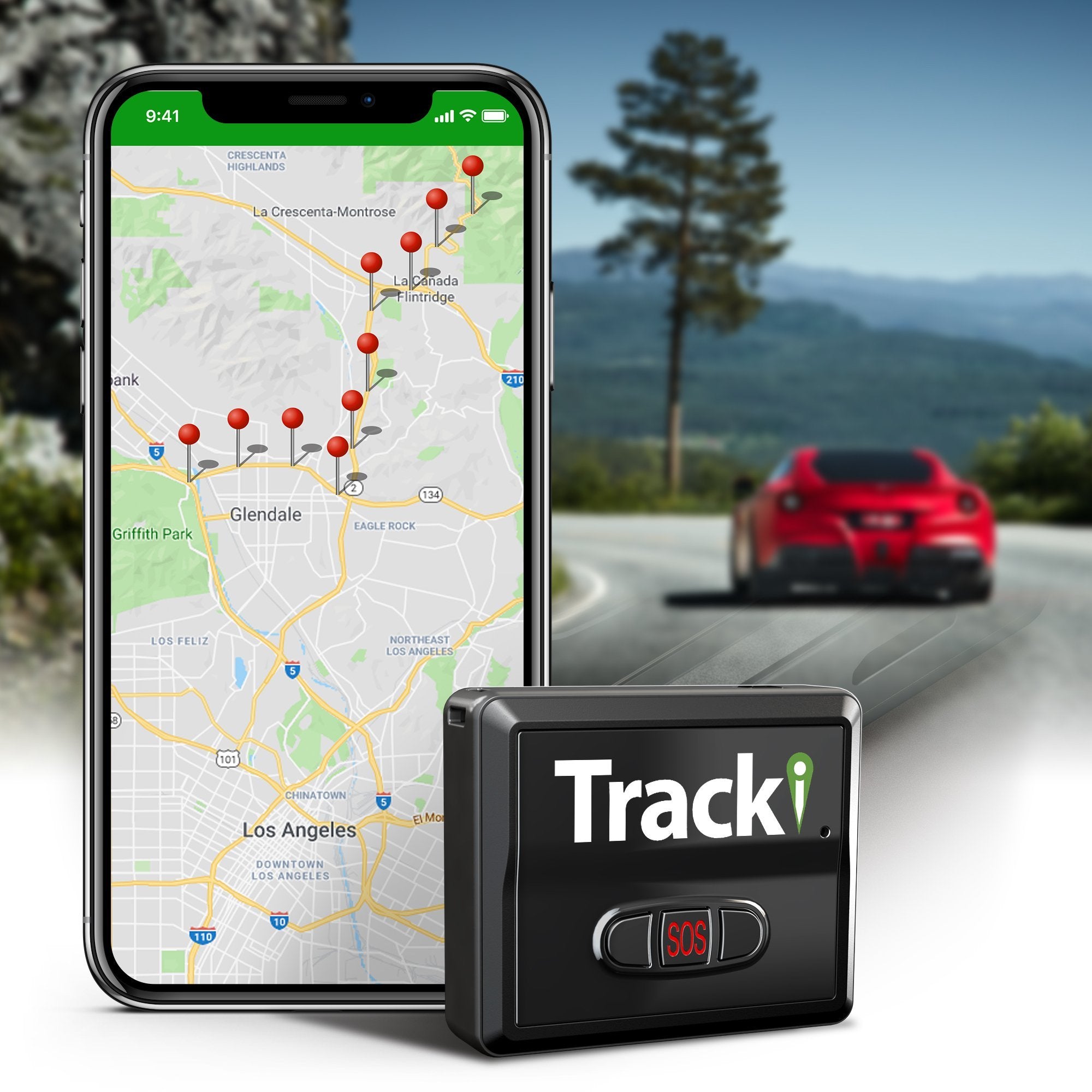
Tracki’s official product page describes a small device (about 1.75 x 1.5 x 0.55 inches) that works with an included worldwide SIM and a phone app, with real-time location, alerts and history. The device ships with a magnet, clip and case options, which is why it moves between use cases more easily than an OBD plug-in. For most owners Tracki is the second tracker they buy after realizing one device can protect a car and travel with a bag.
Tracki is not the best tool for every job: its battery is smaller than a dedicated vehicle unit’s power budget, its update behavior depends on the mode you choose, and its customer support reputation varies in owner reports. Buyers who want a simple always-plugged car tracker may prefer Bouncie or Vyncs; Tracki fits owners who value flexibility and low entry price.
What do we know about setup, and how long does it take?
Setup is out-of-the-box activation: charge the device, choose a plan with the included SIM, attach the magnet or clip, and confirm the first location in the app.
Tracki markets a five-minute setup: the SIM is included and the plan is selected through Tracki’s activation flow rather than a carrier. The physical attachment takes seconds — magnet for steel surfaces, clip for bags and belts, case for weather protection. The practical advice is to confirm the first report in the app before hiding the device, because signal and placement decide whether the tracker can actually see the sky and reach the network where it will live.
How much does Tracki cost with its subscription?
Tracki sells the device cheaply and charges plans from about $9.95 per month, making it one of the lowest-cost cellular trackers on a year-one basis.
Tracki’s official page lists subscription tiers from $9.95 per month depending on the package, with no activation or cancellation fees on the standard plans. The year-one total — low device price plus roughly $120 in service — undercuts most competitors, which is Tracki’s core advantage. The trade-offs are the battery, the update behavior at the cheapest tier, and the need to choose the plan that matches your tracking frequency rather than the lowest number on the page.
How does Tracki install, and where does it not fit?
Tracki attaches with a magnet, clip or case in seconds, but the battery form factor needs a recharge routine and cannot report forever between charges.
The device’s flexibility is also its limit: it is not wired into the vehicle, so it depends entirely on its internal battery and your discipline in recharging it. The magnet suits clean steel under a car or on equipment, the clip suits bags and belts, and the waterproof case extends outdoor use. Tracki does not fit owners who want zero maintenance (choose OBD or hardwired), and its small size means the battery will not match a larger vehicle-focused unit at the same update rate. Our magnetic explainer covers placement and charging in detail.
What does the Tracki app offer day to day?
The Tracki app covers live location, movement and speed alerts, geofences, SOS and history, with access from iOS, Android and the web.
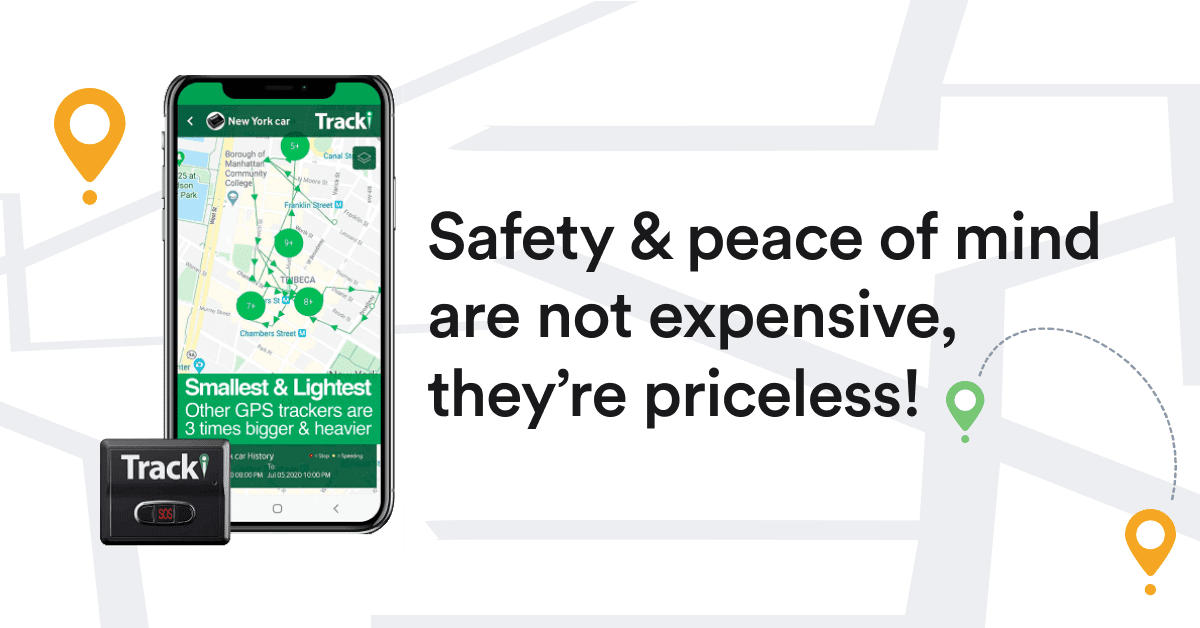
Tracki’s feature list includes real-time tracking with a one-minute live path, geofence alerts, movement and speed notifications, an SOS button and app or email alerts. History depth is a selling point — Tracki claims years of stored path history for active accounts — and the app supports managing many devices from one account, which suits owners tracking multiple assets. App reliability varies in owner reports, so test alerts on your own phone before trusting the device with a critical asset.
What do we know about accuracy and update speed?
Tracki combines GPS with Wi-Fi and Bluetooth assist for indoor positioning, and its update speed depends on the mode and plan you select.
Tracki’s official documentation describes automatic updates as frequent as one minute for live tracking, a manual ping for on-demand checks, and battery-save modes that report only a few times a day. The device also uses Wi-Fi and Bluetooth to improve indoor location, which helps for luggage and indoor assets but does not change the fundamental trade-off: faster updates drain the battery faster. For a car, test whether the one-minute mode fits the car’s usage pattern; for luggage and bikes, battery-save may be the right balance.
How long does the battery last, and what drains it?
Tracki’s battery lasts about a month in battery-save mode at a few updates per day, roughly two to three days at frequent updates, and longer with the optional larger battery.
Tracki’s product page publishes the trade-off directly: about one month in battery-save mode (a handful of updates daily), two to three days when tracking frequently, and extended life with an optional larger magnetic battery. Signal quality matters too — a device in a weak area retransmits more and drains faster. Choose the update mode for the asset’s risk, set a recharge reminder, and test after every charge, because the silent-battery failure is the main way owners lose a tracker.
What do owners complain about most?
Owner themes focus on battery life at frequent updates, the cost of faster plan tiers, and occasional app or customer-support issues.
Repeated owner feedback across reviews and forums centers on expectations: buyers who leave the device in fast-update mode are surprised by the recharge cycle, and buyers who chose the cheapest plan may find the update rate too slow for theft response. Support and app complaints appear across tracker brands and are best treated as anecdotal signals to test before purchase — our How We Test page explains the distinction between documented features and owner reports. The hardware complaints are rarer, which matches Tracki’s position as a value-oriented but established product.
How does Tracki compare with LandAirSea 54 and Spytec?
Tracki wins on price and versatility, the LandAirSea 54 wins on rugged waterproof design, and Spytec competes on the same magnetic form factor.
| Model | Entry plan | Strengths | Limits |
|---|---|---|---|
| Tracki | From about $9.95/mo | Low cost, worldwide SIM, multi-asset flexibility | Small battery, support variability |
| LandAirSea 54 | From about $19.95/mo | Waterproof rugged design for vehicles and trailers | Higher cost, larger device |
| Spytec GL300 family | Required subscription | Established magnetic mini with weather case | Higher typical plan cost |
For a single car in all weather, the LandAirSea 54 offers more rugged hardware; for strict budget and multi-asset tracking, Tracki’s price and worldwide SIM are hard to beat; and Spytec remains the value alternative owners compare first. The right pick depends on whether the device stays on one vehicle or travels between assets.
Who should buy Tracki, and who should skip it?
Buy Tracki for flexible, low-cost tracking of multiple assets; skip it if you need a dedicated rugged vehicle unit, always-on reporting or zero maintenance.
Tracki fits owners who want one device that moves between a car, a bike, luggage and equipment, and who will choose an update mode and recharge on schedule. It is a weaker fit for owners who want a hardwired or OBD unit that never needs charging, for buyers who need the most rugged waterproof build for outdoor vehicles, and for anyone who expects the cheapest plan to deliver theft-grade update speed. Those buyers should compare Bouncie, Vyncs, LandAirSea 54 or the hardwired category.
The bottom line for 2026: Tracki delivers the best flexibility-per-dollar in consumer tracking, with honest caveats about battery and plan tiers. Buy it for the price, the worldwide SIM and the ability to track almost anything; manage the battery and it will be ready when needed.
FAQ: Tracki review
How much does Tracki cost per month?
Tracki’s official page lists plans from about $9.95 per month depending on the package, with no activation or cancellation fees on standard plans. The device is sold separately at a low price.
How long does the Tracki battery last?
About one month in battery-save mode at a few updates per day, two to three days at frequent updates, and longer with the optional larger battery. Update frequency and signal strength drive the exact result.
Does Tracki work internationally?
Yes — Tracki includes a worldwide SIM and documents coverage in 190+ countries, which is why it suits travel and international asset tracking. Check the current coverage and plan terms before relying on roaming.
Can Tracki be used to track a car?
Yes, using the included magnet on a clean steel surface, but remember it is battery-powered and needs recharging on a schedule. For a daily driver, an OBD tracker may be lower maintenance.
Compare Tracki with LandAirSea 54, Spytec and the OBD options using the same criteria in the best car GPS trackers hub, or read the magnetic explainer before choosing your update mode.