Bouncie and Vyncs are the two OBD trackers buyers compare when they want a simple car tracker without paying enterprise prices, and the decision usually comes down to billing: Bouncie is a monthly subscription with one simple plan, while Vyncs sells annual bundles with no monthly fee and published update tiers. This comparison lines up the two on hardware, app, accuracy, battery behavior and true year-one cost, so you can pick the billing model and update speed that fit your car.
Why do Bouncie and Vyncs get compared so often?
Because both are OBD-II plug-ins with strong apps and family-friendly pricing, which makes billing and update speed the real differentiators.
Bouncie wins attention for simplicity and Vyncs for its no-monthly-fee annual structure, and both fit the same cars and the same family use cases. When two products occupy the same slot, the honest comparison comes down to the details buyers can verify: plan shape, documented update tiers, app behavior and what owners report. Those details decide which one is cheaper and which one is faster for your needs.
How do the hardware and installation compare?
Both plug into the OBD-II port in minutes; Bouncie is the simpler product overall, while Vyncs adds tamper alerts and a tiered device line.
Both devices draw power from the OBD port and need no wiring, so installation is nearly identical on cars with the standard port. Vyncs documents a compact device with tamper alerts when it is unplugged or rewired, which is useful for family oversight; Bouncie keeps the product line to one device and one plan. Neither is hidden or hardwired, so owners who need concealment should look at magnetic or hardwired options in the hub guide.
How do the apps compare day to day?
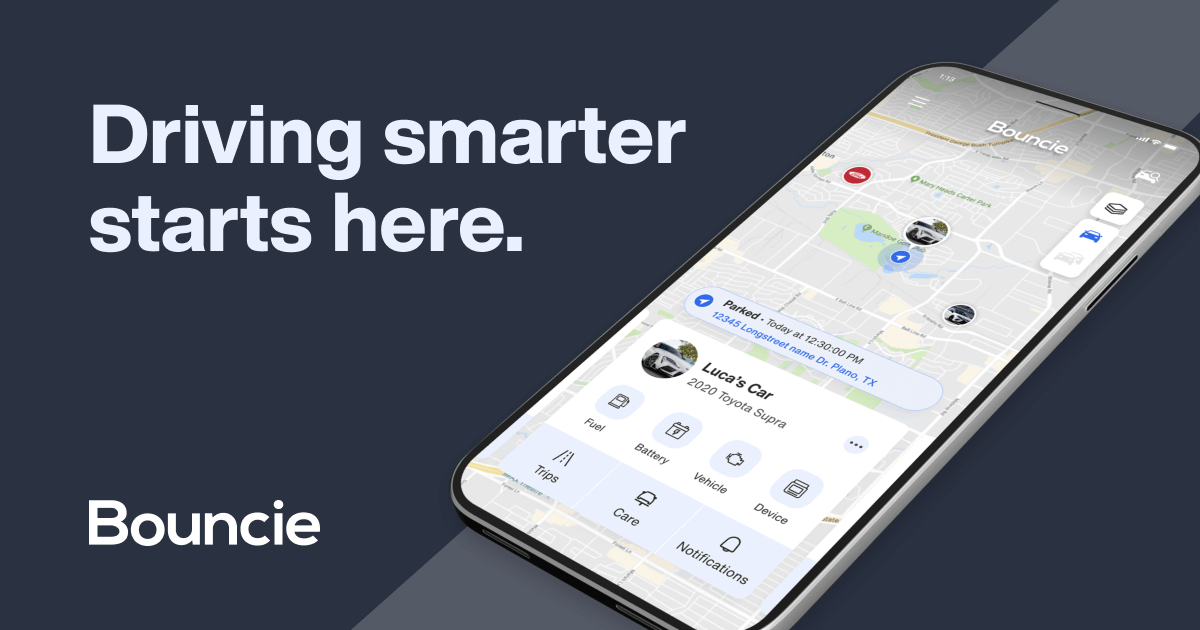
Bouncie’s app is the simpler of the two, while Vyncs offers more configuration with tiers and vehicle-data features.
Bouncie presents live location, geo-zones, trip history, driving events and diagnostics in a clean single view that suits non-technical families. Vyncs adds mileage, vehicle health and configurable tiers, which rewards owners who want the extra data but adds complexity. Both provide iOS and Android access and shared accounts; the choice is how much configuration you want on the home screen.
How do subscription costs compare?
Bouncie charges a device purchase plus a monthly subscription with a discount at three or more, while Vyncs bundles device and service into annual plans with no monthly fee.
Bouncie’s pricing page shows the simple monthly model and multi-device discount; Vyncs’ official site sells annual bundles whose tiers set the update speed. Over one year the totals can be close, but the cash-flow differs: Bouncie spreads cost monthly, Vyncs asks for one payment. Budget buyers who dislike monthly bills usually prefer Vyncs; buyers who want cancel-any-time flexibility usually prefer Bouncie.
How do accuracy and update speed compare?
Bouncie emphasizes instant updates on its platform, while Vyncs documents specific intervals per tier, which makes its speed transparent and comparable.
Vyncs publishes sampling and upload behavior for each plan (its Basic tier samples every 60 seconds and uploads every three minutes while running, with faster Pro tiers), which is the most useful specification for buyers comparing speed. Bouncie’s “instant updates” claim is backed by its platform design but lacks the same per-tier documentation. Both rely on GPS reception, so garages and metal structures weaken fixes on each. Our 4G LTE explainer explains why the interval matters more than the word real-time.
How do battery and power draw compare?
Both draw small current from the OBD port when it is powered, so the drain question follows the car’s port behavior, not the brand.
An always-powered OBD port adds either device’s draw to the car’s parasitic load, which is harmless for daily drivers and a risk for long-idle cars with weak batteries. Neither product solves that problem differently because both are plug-in designs; owners who park for weeks should consider a magnetic battery tracker instead. The OBD explainer covers port behavior and testing in detail.

How do alerts, zones and driving reports compare?
Both cover geo-zones, speed and trip reporting; Bouncie packages them more simply, while Vyncs ties depth to the tier you choose.
Bouncie’s all-included model means the features on its platform page are available on the one plan. Vyncs spreads capabilities across tiers, so the alerts and history you get depend on which annual plan you buy. Families that want set-and-forget alerts lean Bouncie; owners who want faster updates and richer vehicle data lean Vyncs Pro or Fleet.
What do owners of each say?
Owner feedback follows the billing models: Bouncie owners complain about the required monthly fee, while Vyncs owners mention billing and support issues on review profiles.
Both products show the usual tracker patterns — occasional app hiccups and alert delays — which we treat as anecdotal rather than defects. Bouncie’s recurring complaint is the subscription itself, which never ends; Vyncs’ recurring theme is reading the annual renewal and support terms carefully. Read current reviews on the app stores and business-review sites, and test either device on your own car during its return window.
Who does each tracker fit best?
Bouncie fits families who want one simple monthly plan, while Vyncs fits budget buyers who can commit to a year and want documented update tiers.
Choose Bouncie for the least configuration and cancel-any-time flexibility; choose Vyncs when the annual prepay saves money and the tier documentation matters to you. Multi-car households should price Bouncie’s three-or-more discount against Vyncs’ per-vehicle annual bundles before deciding. Buyers who need hidden tracking, no subscription at all, or diagnostics beyond Vyncs’ scope should compare magnetic options such as the LandAirSea 54, zero-fee finders from Apple and the Brickhouse TrackPort Pro reviewed on this site.
What is the verdict: Bouncie or Vyncs?
Pick Bouncie for simplicity and monthly flexibility; pick Vyncs for annual no-monthly-fee billing and faster documented Pro-tier updates.
For most single-car families the two are close, and the decision is really about billing psychology: a monthly bill you can cancel anytime versus one annual payment that saves money if you stay. Buyers who need the fastest documented consumer updates should read Vyncs’ tier specs; buyers who want the simplest app should start with Bouncie. Either is a sound OBD choice, and both are covered in depth by the Bouncie and Vyncs reviews.
FAQ about Bouncie and Vyncs
Which is cheaper: Bouncie or Vyncs?
Over a full year the totals can be close, but Vyncs’ annual bundle removes the monthly bill and often wins for committed buyers, while Bouncie’s monthly model is cheaper if you cancel early. Model both against the tier you need.
Is Vyncs faster than Bouncie?
Vyncs publishes per-tier intervals, with Pro sampling every 20 seconds and uploading every 60 seconds; Bouncie emphasizes instant updates without the same tier documentation. Compare the tier you would actually buy.
Can I use either tracker on two cars?
Yes. Bouncie applies a lower per-device rate at three or more devices, while Vyncs sells per-vehicle annual bundles. Price both for your vehicle count before choosing.
Do Bouncie and Vyncs drain the car battery?
Both draw small current from an always-powered OBD port, which is usually fine for daily drivers but can matter during long idle periods. Check your car’s port behavior before installing either.
Read the full Bouncie review and Vyncs review, then compare both against MOTOsafety and LandAirSea 54 in the hub guide.