“No monthly fee” does not mean “no cost” — it usually means the connectivity bill arrives annually instead of monthly, or that the device uses phones instead of its own cellular connection. Over three years the billing model changes cash flow more than total cost, while the capability difference changes what the tracker can do. This guide compares monthly plans, prepaid-annual bundles and finder tags with the real three-year math.
What are the actual billing models?
Trackers bill three ways: month-to-month plans, prepaid-annual bundles that remove the monthly bill, and finder tags with no service fee that borrow nearby phones.
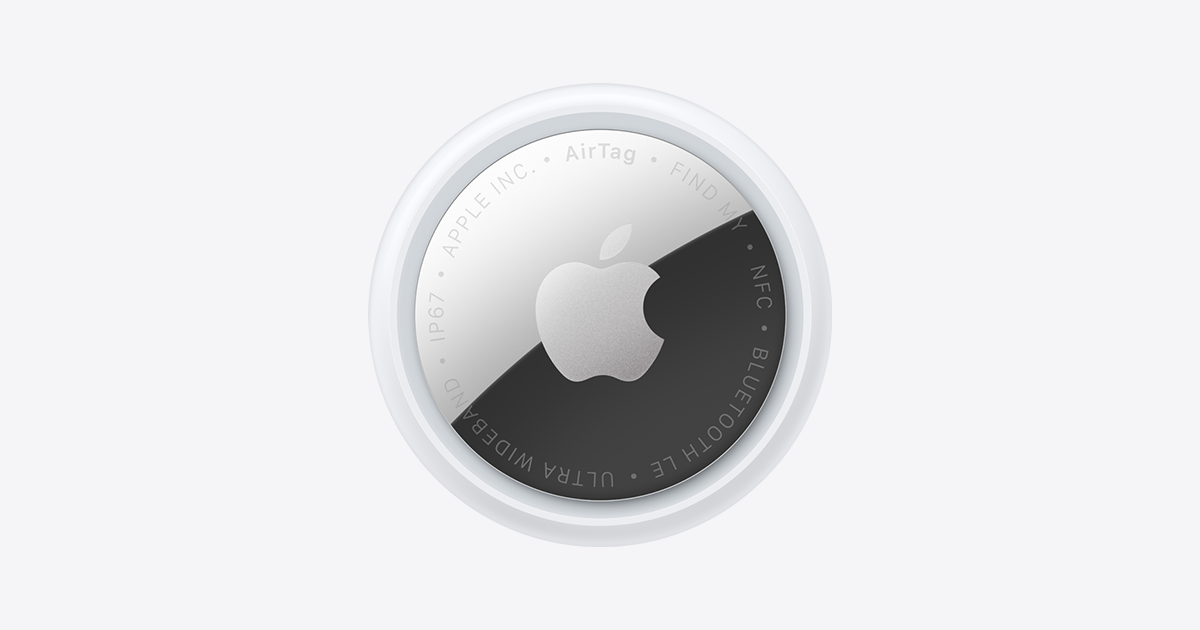
Month-to-month options such as Bouncie spread cost and allow cancellation anytime. Prepaid-annual options such as SpaceHawk and Vyncs bundle service into one yearly payment. Finder tags such as AirTag and Tile genuinely cost nothing monthly but only report near compatible phones.
How does the 3-year math compare?
Over three years, a $10 monthly plan totals about $360 in service, an annual bundle of $120 per year totals about $360, and a finder tag costs only the device.
| Model | Typical service | 3-year service total | Capability |
|---|---|---|---|
| Monthly plan (e.g., Bouncie) | ~$8-25/mo | ~$290-900 | Live cellular tracking, cancel anytime |
| Prepaid annual (e.g., Vyncs, SpaceHawk) | One yearly payment | Similar total, fewer bills | Live cellular tracking with annual commitment |
| Finder tag (AirTag / Tile) | None | $0 | Phone-dependent nearby finding only |
The table shows that prepaid-annual is not cheaper than monthly over three years — it is the same data cost with a different billing rhythm. The finder tag is cheaper only because it delivers less capability.
When does monthly billing make sense?
Monthly billing makes sense when you may cancel soon, want cash-flow flexibility, or are testing a tracker before committing.
Bouncie’s cancel-any-time model suits families unsure about long-term use. The downside is a recurring bill that never ends and total cost that grows every month. Buyers who keep a tracker for years should compare the annual total before defaulting to monthly.
When does prepaid annual make sense?
Prepaid annual makes sense for owners committed to tracking for a year who prefer one payment and no renewal surprises.
Vyncs bundles device, SIM and first-year service, and SpaceHawk’s no-monthly-fee option prepays a year of cellular service. The trade-off is commitment: annual money is locked in, and cancellation is messier than a monthly plan. For seasonal assets, an annual cycle can align neatly with the season.

When is a finder tag the honest answer?
A finder tag is the honest answer when you only need to find nearby items and can accept phone-dependent, intermittent updates.
AirTag and Tile cost the least over three years because there is no service, but their coverage depends on nearby phones, so they cannot deliver live wide-area tracking or reliable theft response. For keys, bags and a car in a busy lot they are sufficient; for a stolen car on a rural road they are not. The GPS vs AirTag vs Tile comparison explains the capability gap.
What hidden costs should you count?
Count activation and SIM fees, history limits, paid alert tiers, battery replacement and the device price in every three-year total.
A cheap plan with a $20 activation fee and a 30-day history limit can cost more than a transparent $12 monthly service over three years. Finder tags add replaceable batteries, and battery trackers add larger-battery accessories for fast-update use. The only honest comparison adds every line of the plan terms to the hardware price.
What is the verdict for a 3-year horizon?
Choose monthly for flexibility, prepaid annual for one-bill convenience, and finder tags only when phone-dependent finding is genuinely enough.
Over three years, monthly and prepaid-annual cellular trackers cost similar totals and deliver similar capability, so the choice is billing psychology and commitment. The finder tag saves money by removing live wide-area tracking, which is the wrong trade for theft recovery. Budget buyers who dislike monthly bills should read the no-subscription guide before choosing a finder tag by price alone.
FAQ: subscription versus no-monthly-fee trackers
Is no-monthly-fee tracking cheaper over three years?
Prepaid-annual cellular costs about the same as monthly over three years because the data still costs money; only the billing rhythm changes. Finder tags are cheaper but deliver phone-dependent finding instead of live tracking.
Should I pay monthly or annually?
Pay monthly for flexibility and easy cancellation; pay annually when you are committed to tracking and prefer one payment. Compare the three-year total, not the monthly sticker.
Do AirTags really have no fee?
Yes, AirTags and Tile have no service fee because they use nearby phones. The trade-off is coverage: no phone nearby means no update.
What is the cheapest way to track a car for three years?
For live tracking, an annual-prepay cellular plan such as Vyncs or SpaceHawk usually offers the cleanest three-year total. A finder tag is cheaper but is not live cellular tracking.
Model your three-year cost with the pricing pages linked above, and read the hub guide to match the billing model to your use case.