People ask whether an AirTag can replace a car GPS tracker because the price gap is enormous: a finder tag costs $30 once, while a GPS tracker adds a subscription. The honest answer is that they are different tools for different jobs. An AirTag or Tile can sometimes help you find a car in a crowded lot, while a cellular GPS tracker is built for the one job finder tags do poorly — telling you where a car is when it is moving away and no one nearby is carrying the right phone. This comparison explains the technology difference, the theft-recovery reality, the privacy alerts, and the two-year cost of each approach.
Why do car owners compare GPS trackers with AirTag and Tile?
Because finder tags have no subscription and are sold everywhere, while GPS trackers carry monthly costs that are easy to resent and hard to compare.
The search behavior is predictable: a buyer sees “no monthly fee” on an AirTag listing, imagines a free car tracker, and only later learns that the tag needs a crowd of phones to report. The same pattern repeats with Bluetooth finders generally. This comparison exists to make the trade visible before purchase: subscription-free does not mean network-free, and the network the device uses determines whether it can help in a theft.
Both tools have legitimate places in a car owner’s kit. The question is not “which is better” in the abstract, but which failure scenario you are preparing for — and whether you are willing to pay a subscription for the only tool that handles the worst one.
How does cellular GPS tracking actually work?
A cellular GPS tracker carries its own modem and SIM, so it reports location over the carrier network anywhere there is signal, independent of nearby phones.
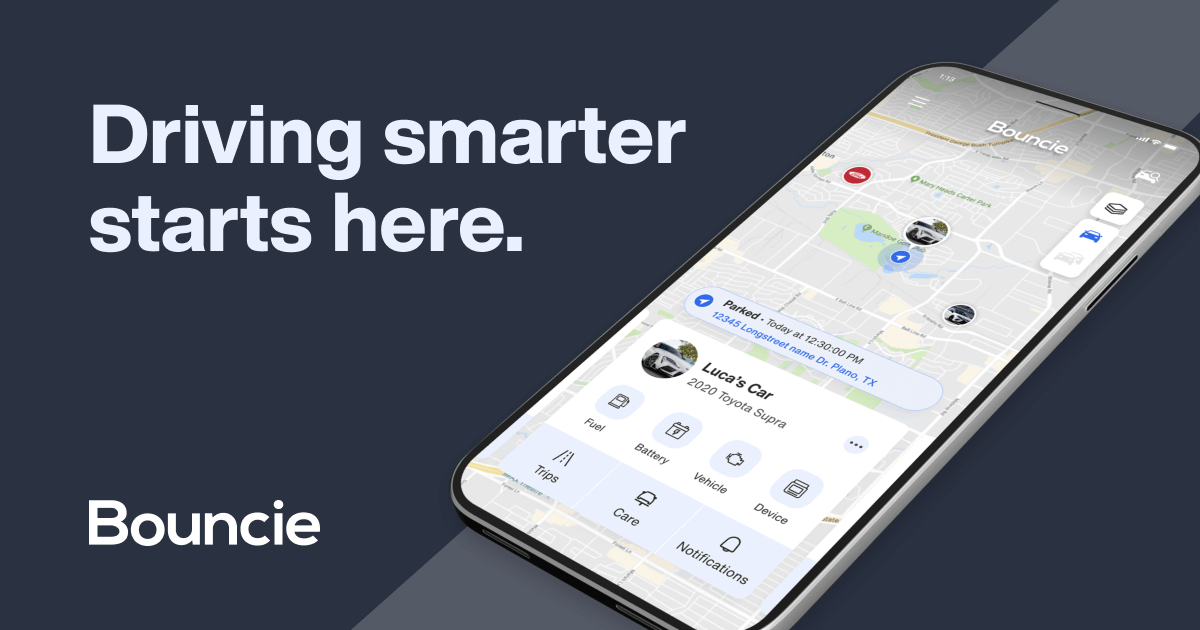
The device captures a GPS fix and transmits it through its own cellular data connection to the vendor’s servers. Because the connection belongs to the tracker, location updates arrive whether you are in another city or another country, and they continue while the car is moving — which is the core requirement for theft response. Mainstream options such as Bouncie, Vyncs and LandAirSea 54 all follow this model, with required subscriptions that pay for the SIM and service.
The cost of that independence is recurring: plans range from roughly $8 to $25 per month, or an annual prepay from vendors such as Vyncs. The 4G LTE explainer covers why the network generation matters, and the no-subscription guide explains the prepaid-annual alternatives.
How do AirTag and Tile tracking actually work?
AirTag and Tile are Bluetooth finder tags that report their location only when a compatible phone running the right app passes nearby.
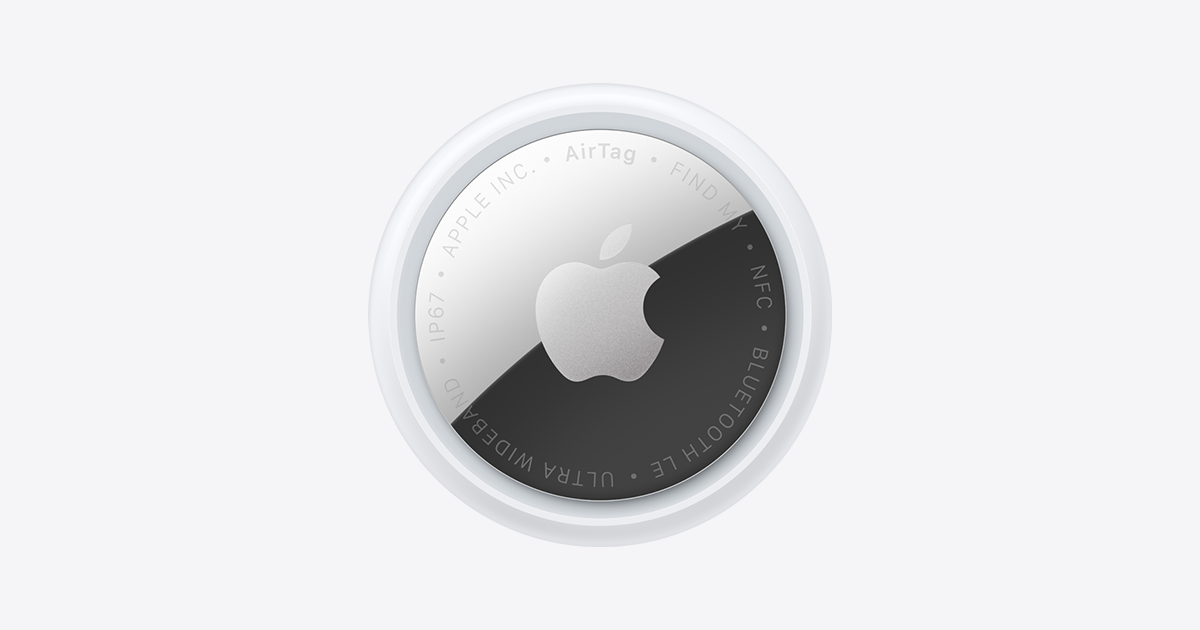
An AirTag uses Apple’s Find My network: any nearby iPhone, iPad or Mac can relay the tag’s position to your account. Tile works the same way through its own community of Tile and Life360 users. The tags have no SIM and no subscription because they borrow other people’s phones as the network. When a compatible phone is close, updates can be fast; when no phone is near, the tag is silent until one appears.
That crowd dependence creates the classic failure: a stolen car driven to a rural area with few iPhones can go unreported for hours or days, and an AirTag inside the car can announce its presence to the thief’s phone, which is a safety feature for anti-stalking and a serious weakness for covert recovery. Apple documents unwanted-tracking protections for Find My accessories on its official AirTag pages, and the same alerting behavior that protects people from hidden tags also alerts a thief to a hidden tag in the trunk.
Coverage: network-dependent vs crowd-dependent — what does that mean?
Network-dependent coverage follows carrier towers everywhere; crowd-dependent coverage follows the density of compatible phones in the area.
| Scenario | Cellular GPS tracker | AirTag / Tile |
|---|---|---|
| Car stolen from a busy city lot | Reports immediately over its SIM | May report within minutes via nearby phones |
| Car driven to a rural area | Reports if the carrier has signal | Silent until a compatible phone passes |
| Car parked in a private garage | Reports if signal penetrates | Reports only if a phone is inside range |
| Long-distance recovery | Continuous tracking possible | Intermittent, best-effort updates |
The difference is not that finder tags never work — in a dense city they can report surprisingly well. The difference is reliability: a cellular tracker does not depend on strangers’ phones, so its coverage is predictable enough to plan a recovery around. Finder tags are best-effort by design.
What are the theft-recovery differences?
Cellular GPS supports live, wide-area theft response, while finder tags offer delayed, phone-dependent breadcrumbs that a thief can often defeat.
With a cellular tracker, the first update after the car moves starts the clock and gives you a direction of travel; police can act on a live location. With an AirTag, the first update may not arrive until the car stops somewhere with phones nearby, and the thief’s iPhone may trigger the tag alert and prompt a search. Finders are occasionally useful in recovery — an AirTag left in a rarely searched spot can outlast a thief’s patience — but they are not the tool you want if recovery depends on the first hour. The best car GPS trackers hub explains which trackers are built around that first hour.
What are the privacy and alerting differences?
Cellular trackers send data only to your account, while finder tags are designed to alert nearby phones — a privacy feature that also makes them detectable.
Anti-stalking protections are built into the finder ecosystem: phones detect unfamiliar tags traveling with them and warn the user, and Apple publishes guidance about unwanted tracking for Find My accessories. For a legitimate owner hiding a tag in their own car, that alert can fire in the thief’s phone and reveal the tag. Cellular trackers do not announce themselves to nearby phones, which is why they are the standard for covert vehicle recovery — but the same concealability is why consent law matters. Tracking a car you do not own or lack authority to track is not something this site supports; see our responsible-use policy.
What do the two options cost over two years?
Finder tags cost only the device over two years, while cellular GPS costs roughly $200 to $600 more once subscriptions are included.
| Option | Device cost | Service | Two-year total |
|---|---|---|---|
| AirTag | ~$29 (single) | None | ~$29 plus a replaceable battery |
| Tile | Varies by model | None (optional premium) | Device cost plus optional subscription |
| Cellular GPS | $30-$120 | ~$8-$25/month or annual prepay | ~$220-$720 depending on plan |
Do not read this table as a verdict for the finder tag. The price difference buys a capability difference: wide-area, live, phone-independent tracking. Buyers who only need “where did I park” should save the money; buyers preparing for theft should compare the two-year cost of the cellular option against the value of the car and the peace of mind.
When is an AirTag or Tile the right answer?
A finder tag is the right answer when you want cheap, no-subscription location for nearby items, not guaranteed wide-area theft tracking.
Finder tags shine for keys, bags, luggage and a car parked in a familiar lot where phones are common. They are also a reasonable extra layer inside a car that already has a cellular tracker — a second, no-cost breadcrumb that may update even if the primary tracker is found and removed. What they are not is a substitute for theft-grade tracking in areas with thin phone density, or a tool that can stay covert against a phone-wielding thief.
When is only a cellular tracker good enough?
A cellular tracker is the minimum for live theft response, fleet accountability or any tracking that must work in areas without dense phone coverage.
If the purpose is recovering a stolen car, coverage during movement is the requirement, and only a device with its own data connection provides it. The same applies to tracking trailers, boats and equipment that sit in rural or industrial areas, and to any use where you need to hand a live location to police rather than a “last seen” timestamp. The form factor — OBD, magnetic or hardwired — then follows how the vehicle is used, as explained in the buyer’s guide.
What is the practical recommendation?
Buy a cellular GPS tracker for theft recovery and fleet needs, and treat AirTag or Tile as an optional no-fee supplement, not a replacement.
For most car owners the decision tree is short. If you park in a city and simply want to find the car in a lot, a finder tag is enough. If you want the car protected while it moves or sits anywhere, a cellular tracker with a documented update interval is the tool, and the subscription is the price of that capability. Budget buyers who dislike monthly bills should compare annual-prepay cellular options in the no-subscription guide before falling back to a finder tag.
FAQ: AirTag, Tile, or GPS tracker for a car
Is an AirTag good for tracking a car?
Only for finding a car near Apple devices. An AirTag has no cellular connection, so it cannot report continuously from a moving car, and anti-stalking alerts can reveal it to a thief. For theft recovery, a cellular GPS tracker is the reliable tool.
Can police use an AirTag to find a stolen car?
Police can work from any location data an owner legally provides, but an AirTag’s updates are intermittent and phone-dependent, so it is less actionable than a live cellular tracker feed. Check local procedures and provide the account access or live map if you file a report.
Do AirTags work without cell service?
Yes, because AirTags do not use their own cellular connection — they use nearby Apple devices, which relay location over whatever connection those phones have. No cell service nearby usually means no update.
Is it legal to put an AirTag in a car?
Tracking your own vehicle is generally legal, but placing a tag in someone else’s car without consent can violate state and federal laws, and some jurisdictions treat it as stalking. Track only vehicles you own or are authorized to track.
Compare the full tracker landscape before you decide: the best car GPS trackers hub covers cellular picks by use case, the no-subscription guide explains prepaid alternatives, and the buyer’s guide walks through the form-factor decision.