Hardwired trackers are the answer when an OBD plug is too easy to remove and a battery tracker is too easy to forget: they connect to the vehicle’s electrical system, stay powered around the clock and can be hidden where nobody looks. The cost is installation — someone has to wire the device correctly. This list compares the hardwired trackers we can verify from official manufacturer pages, explains the install decision honestly, and tells you when not to hardwire at all.
Why does this list only include hardwired trackers we can verify?
Because hardwired hardware without official documentation is uninstallable with confidence, and several promoted models in this space have no verifiable manufacturer page.
The two hardwired picks here — LandAirSea’s Overdrive Permanent and Spytec’s Pulse — both have official product pages and documented wiring products that we verified during the review cycle. We exclude devices sold only through marketplaces with no official documentation, and we say so when we do. That policy is why some “Optimus”-branded hardwired listings do not appear on this page; we could not verify a current official manufacturer source for them. The hardwired explainer covers the install and documentation questions in depth.
How do we pick the best hardwired GPS trackers?
We score hardwired trackers on documented always-on behavior, install complexity, plan cost and how the platform fits fleet or owner use.
The evaluation mirrors the criteria in our How We Test page: always-on power is the point of hardwiring, so we weight the device’s documented behavior and the availability of official wiring documentation over feature lists. Rankings are editorial and independent, with official product pages linked so buyers can check the current hardware, plans and install guidance before committing to a permanent install.
What are the best hardwired GPS trackers at a glance?
| Pick | Model | Position | Plan shape | Best for |
|---|---|---|---|---|
| Best overall | LandAirSea Overdrive Permanent | Hardwired vehicle tracker with cable | LandAirSea subscription | Owners who want the LandAirSea platform always on |
| Best value / fleet-lean | Spytec Pulse | Hardwired, hidden, always on | Spytec plans; free-hardware promos on current pages | Owners and small fleets wanting a documented install |
Two consumer hardwired models passed our verification bar, which is useful: fewer trustworthy options exist here than in OBD or magnetic tracking.
Which hardwired tracker is best for most buyers?
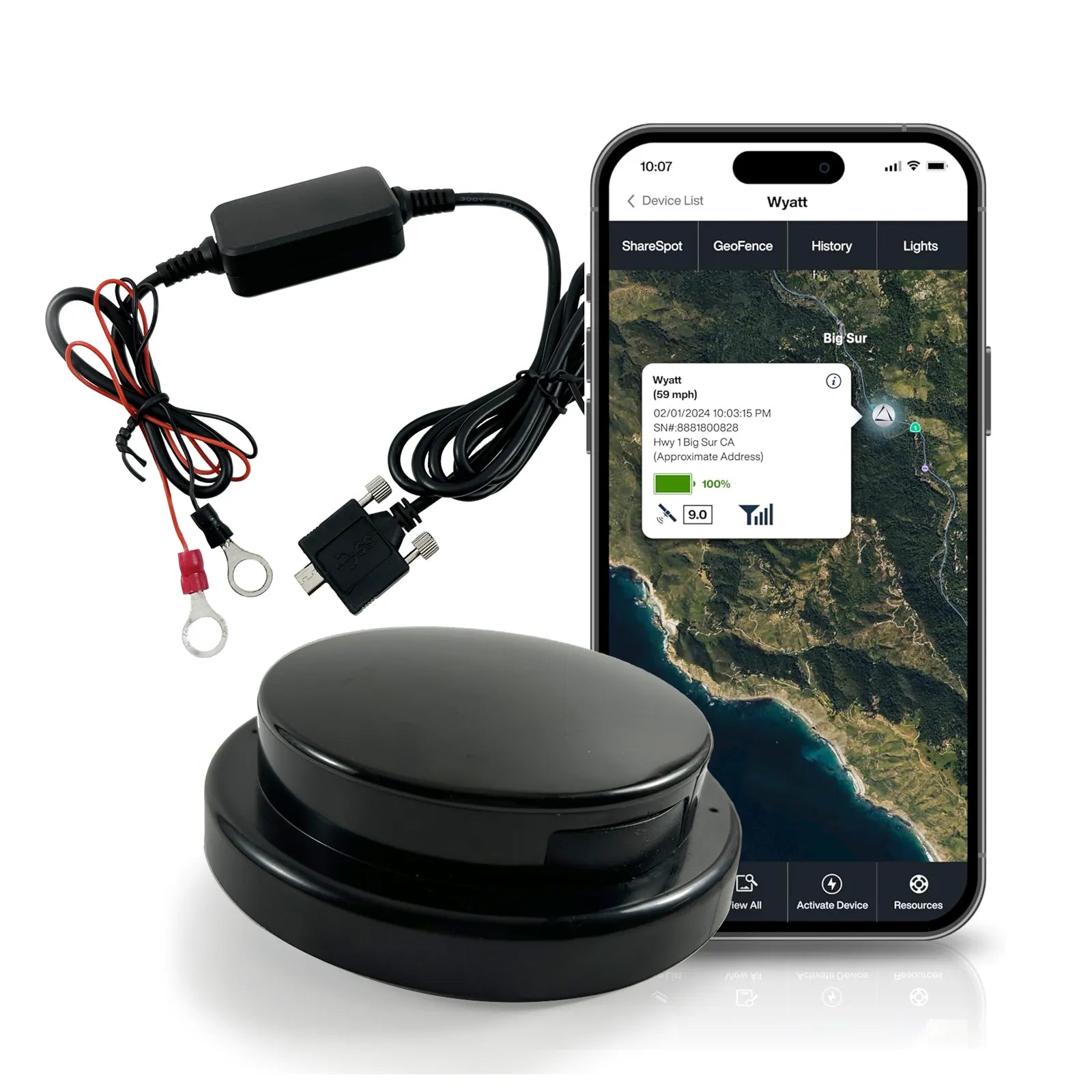
LandAirSea’s Overdrive Permanent is the best hardwired pick for most buyers, bringing the LandAirSea platform to an always-powered install with an official cable.
LandAirSea sells the Overdrive Permanent with hardwire cable as the always-on version of its tracking line, giving owners the same app and account they would use with a 54 but without battery charging. The trade-off is the install: the cable must be connected to the vehicle’s electrical system correctly, and the plan is required. Buyers already using LandAirSea will find this the natural upgrade; new buyers should compare Spytec’s Pulse before choosing.
What is the best value hardwired tracker?
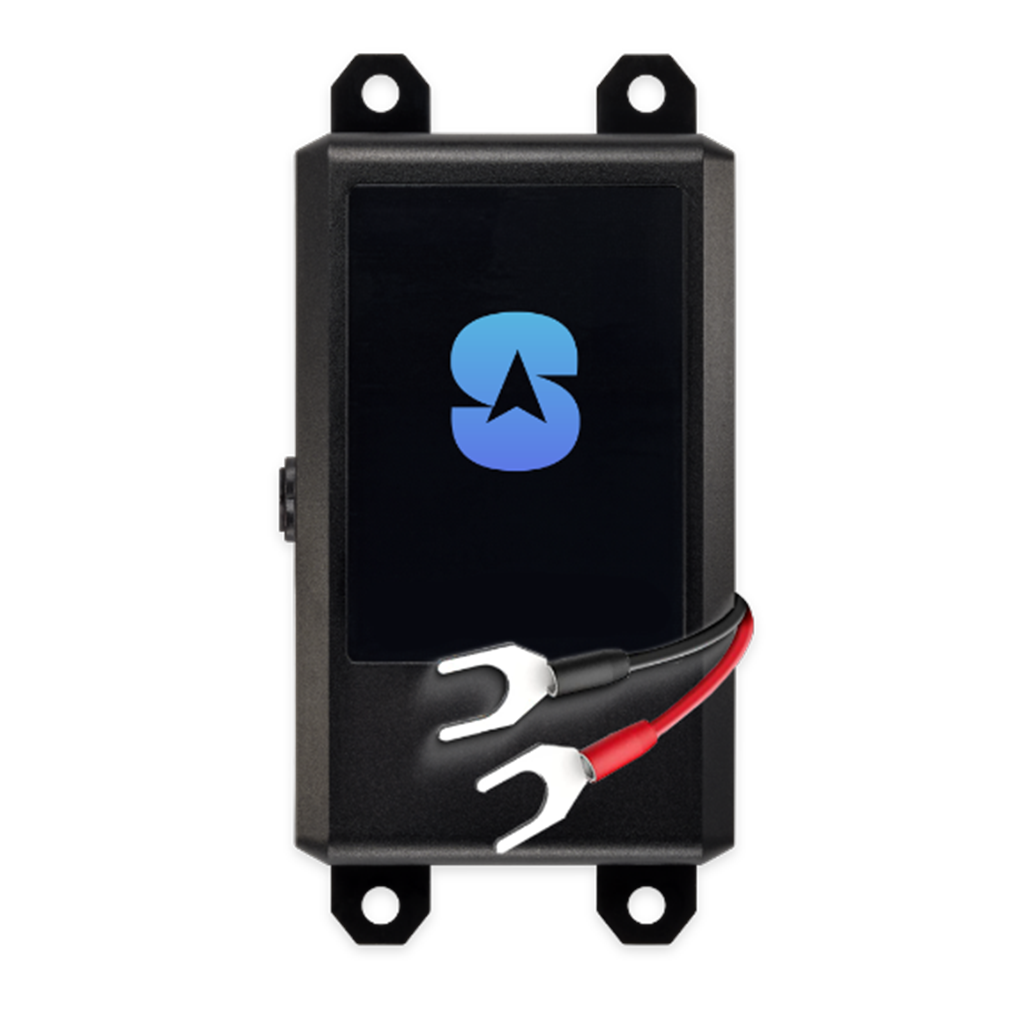
Spytec’s Pulse is the value hardwired pick because its official page documents a hidden, always-on install with rapid updates and current plans that often include free hardware.
Spytec’s Pulse product page describes a hardwired tracker that wires to the battery, disappears from sight and reports trips quickly, with subscription plans and free-hardware promotions on the current storefront. The Pulse suits owners and small fleets that want a documented consumer hardwired option without moving to an enterprise platform. Verify the current plan and install guidance on Spytec’s page before buying, because the wiring step still belongs to you.
Which hardwired tracker should you avoid?
Avoid any hardwired tracker sold without official installation documentation, and avoid marketplace-only brands whose manufacturer pages cannot be verified.
Hardwired installs modify the vehicle, so the wiring guide and the manufacturer’s support channel are part of the product. Devices sold only through marketplace listings — including several “Optimus”-branded hardwired units we could not verify — leave owners without the documentation a safe install requires. If a brand has no official page, treat the listing as unverified and choose one of the documented options above. Our hardwired explainer explains the verification standard we apply.
What does hardwired tracking really cost in year one?
Year-one hardwired costs include the device, the cellular plan and usually professional installation, so the total is higher than the sticker price suggests.
Both verified models require a cellular subscription, priced on their official pages, and both benefit from a professional install — an added cost many buyers forget. The honest year-one number is device plus plan plus install, and buyers who skip the professional install to save money take on the electrical risk themselves. For fleets, enterprise hardwired telematics add driver management features at a different price point entirely, which is why we keep this list to consumer-verifiable hardware.
Which install tips matter for hardwired trackers?
Use the manufacturer’s wiring guide, connect to a fused circuit sized for the device, and have a professional install if any step is unclear.
The two verified models ship or document their wiring approach, and the general rules are the same: disconnect or protect the battery while working, choose always-on power if you want 24/7 reporting, match the fuse tap to the vehicle’s fuse type, and never oversize the fuse because it protects the wiring, not the device. Fleet-vendor comparisons such as Azuga’s hardwired versus plug-and-play explainer cover the same trade-offs at fleet scale. If wiring is outside your comfort zone, pay for the install — it is cheaper than an electrical fault.
When should you not hardwire at all?
Do not hardwire a leased car without permission, a vehicle you will sell soon, or a situation where a hidden battery tracker is enough.
Hardwiring modifies the vehicle, so lease agreements and warranty coverage matter; plug-in OBD trackers such as the Brickhouse TrackPort Pro avoid that problem entirely. For owners who simply want a hidden tracker without always-on reporting, a magnetic unit such as the LandAirSea 54 delivers concealment with no wiring. Choose hardwired when always-on power and tamper resistance justify the modification, and choose magnetic or OBD when they do not — the decision framework is in the hub guide.
FAQ: choosing a hardwired GPS tracker without overpaying
Which is the best hardwired GPS tracker?
Among consumer models we can verify, the LandAirSea Overdrive Permanent is the best overall hardwired pick, and Spytec’s Pulse is the value alternative. Both have official documentation and required subscriptions; larger fleets typically move to enterprise telematics.
Is hardwired better than OBD or magnetic?
Hardwired wins on always-on power and tamper resistance, OBD wins on simplicity, and magnetic wins on zero-wire concealment. Hardwired also modifies the vehicle, so the install and lease implications are the deciding factors.
Can I hardwire a GPS tracker myself?
Yes, if you can identify a fused circuit, use the correct fuse tap and follow the manufacturer’s wiring guide. If any step is unclear, use a professional installer, because a bad connection can silence the tracker or damage the vehicle.
Do hardwired trackers drain the battery?
A correctly installed hardwired tracker draws a small continuous current, which is fine for daily drivers but can matter during long storage. Confirm the device’s low-power behavior and use a maintainer for stored vehicles.
Decide whether hardwiring is worth the install by comparing categories in the hub guide, then read the hardwired explainer before you connect anything to the vehicle.