A small fleet does not need enterprise telematics, but it does need more than a single-vehicle tracker: multi-device pricing, driver visibility and reports that a busy owner can actually read. This list compares the three options that fit most small fleets in 2026 — Bouncie, Vyncs Fleet and Brickhouse TrackPort Pro — on documented pricing, driver alerts, diagnostics and when it is time to step up to a fleet platform.
Why does this list focus on trackers with multi-device plans?
Because small-fleet cost math is per-vehicle, and only vendors with documented multi-device or annual pricing let you predict the fleet bill.
Each pick on this page publishes its pricing structure: Bouncie shows a per-device monthly rate with a discount at three or more, Vyncs sells annual plans with a Fleet tier, and Brickhouse sells TrackPort Pro with published plan tiers. Devices without documented multi-vehicle pricing make fleet budgeting guesswork, which is why they are excluded. The hub guide places these picks next to single-vehicle options for comparison.
How do we pick the best trackers for small fleets?
We score each option on multi-device cost, driver and trip reporting, diagnostic depth, and how easily an owner manages vehicles without a dedicated dispatcher.
The evaluation follows our How We Test criteria: can the owner see all vehicles on one dashboard, review trips and driver events, and add or remove devices without a sales process? Rankings are editorial and independent, with official pages linked for current pricing. Owner feedback is treated as anecdotal.
What are the best small-fleet trackers at a glance?
| Pick | Model | Multi-device structure | Best for |
|---|---|---|---|
| Best overall | Bouncie | Monthly per device, discount at 3+ | Small fleets wanting the simplest dashboard |
| Best annual-billing | Vyncs Fleet | Annual plan, no monthly fee | Owners who budget yearly |
| Best diagnostics | Brickhouse TrackPort Pro | Plan tiers per official page | Fleets that want codes and health data |
The table sorts by how the owner will run the fleet day to day; the three picks differ more in billing and diagnostics than in basic location quality.
Which tracker is best overall for a small fleet?
Bouncie is the best overall small-fleet tracker because its per-device pricing and simple dashboard scale from two to a dozen vehicles without enterprise complexity.
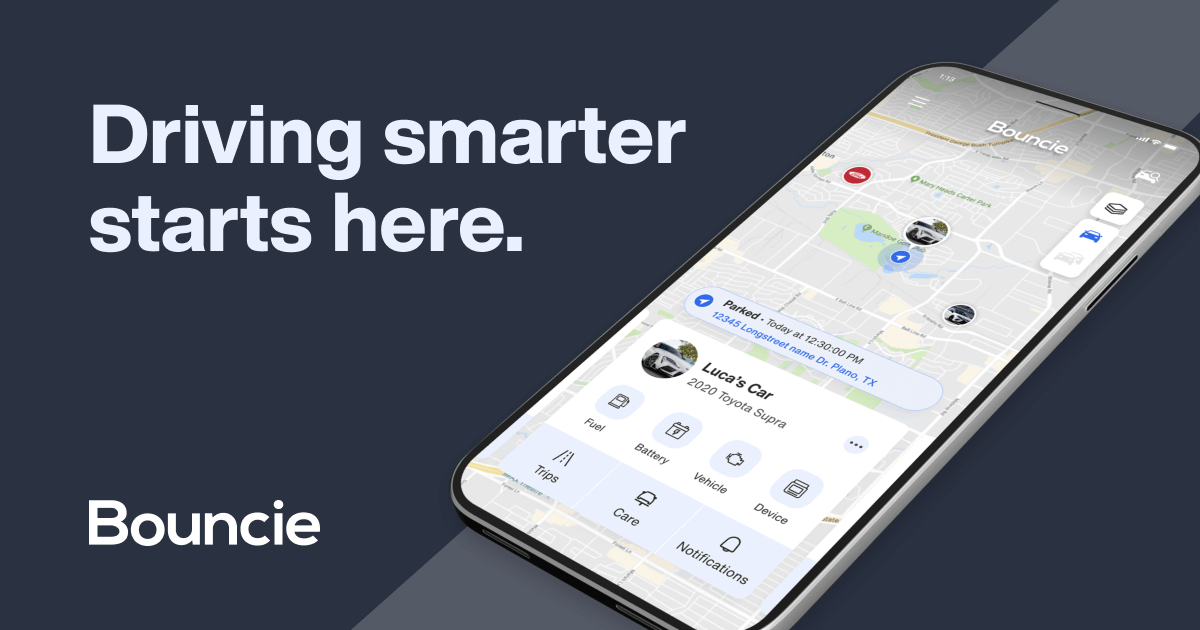
Bouncie’s platform shows live location, trips, geo-zones and driving events for every device, and its pricing page applies a lower per-device rate at three or more — the structure that makes small-fleet math predictable. It lacks driver ID and dispatch features, which is the honest line between Bouncie and enterprise telematics. See the Bouncie pricing page for current rates.
Which small-fleet option is best for annual budgeting?
Vyncs Fleet is the best annual-billing option because it bundles device, SIM and service into yearly plans with documented update tiers.
Vyncs’ Fleet tier is designed for multi-vehicle use, and its annual model removes monthly billing from fleet accounting. The tier choice sets update speed and price, and Vyncs’ FAQ confirms no monthly service fee across its plans. Owners who prefer one payment per vehicle per year should compare Vyncs’ current Fleet pricing on its official site against Bouncie’s monthly total.
Which small-fleet option is best for vehicle diagnostics?
Brickhouse TrackPort Pro is the diagnostics pick for fleets that want odometer, fuel economy, battery health and codes alongside location.
Brickhouse’s TrackPort Pro page describes OBD diagnostics delivered through the same platform as tracking, which helps owners catch maintenance issues before they become downtime. The premium price is justified when the fleet actually reads the health data; location-only fleets should buy Bouncie or Vyncs instead. Plan tiers set history and update depth, so read them before committing.
Which tracker should small fleets avoid?
Small fleets should avoid single-vehicle consumer plans without multi-device discounts and hidden magnetic trackers for company vehicles with multiple drivers.
Paying five separate single-device monthly plans when a multi-device discount exists is the most common small-fleet overpayment. Magnetic battery trackers also suit asset theft recovery rather than daily driver monitoring, where an unplugged or uncharged device means missing trips, and fleets that need tamper-resistant units should evaluate hardwired hardware such as LandAirSea’s Overdrive Permanent. For fleets that need driver ID, routing or ELD integration, the step up is a telematics platform — Azuga’s hardware explainer outlines when fleets outgrow plug-in trackers.

What does small-fleet tracking really cost per vehicle?
Small-fleet tracking typically costs $8 to $25 per vehicle per month, plus device cost, with Bouncie at the low end after its multi-device discount and Brickhouse higher with diagnostics.
Bouncie’s monthly rate falls at three or more devices; Vyncs Fleet spreads cost across an annual payment; Brickhouse’s tiers price diagnostics at a premium. The fleet total is per-vehicle price times vehicle count plus hardware, and the number to compare is the annual per-vehicle total including the device. Model reviews on this site show the full math for each pick.
Which setup tips matter for small fleets?
Assign each device to its vehicle, name vehicles clearly in the app, set geofences for the yard, and review trip reports weekly rather than after an incident.
Device-to-vehicle mapping is the step owners skip and later regret, because an alert without a vehicle name is useless. Set a yard geofence so departures and returns are visible, share access with the manager who runs the fleet, and schedule a weekly trip review so driving patterns surface before they become claims. Battery and port behavior for OBD installs is covered in the OBD explainer.
How do you get the current best fleet price?
Buy from the vendor, price the full fleet at the multi-device or annual rate, and confirm the plan tier delivers the reporting you need before checkout.
Official stores publish current per-device and annual pricing, so fleet owners can model the total before buying hardware. Bouncie’s multi-device discount, Vyncs’ annual bundles and Brickhouse’s tier page each change the math differently, and the right one depends on how you budget and whether you need diagnostics. Keep the receipt and cancel terms, because per-vehicle subscriptions are the real cost of a fleet tracker.
FAQ: choosing a tracker for a small fleet
What is the best GPS tracker for a small fleet?
Bouncie is the best overall for its multi-device pricing and simple dashboard; Vyncs Fleet is the annual-billing alternative; Brickhouse TrackPort Pro adds diagnostics. Larger fleets with driver ID and routing needs should evaluate telematics platforms.
How much does small-fleet tracking cost?
Typically $8 to $25 per vehicle per month plus hardware, depending on vendor and plan tier. Compare the annual per-vehicle total, including the device and any multi-device discount.
Do I need hardwired trackers for my fleet?
Only if drivers can remove OBD plugs or you need tamper-resistant always-on units. Plug-in OBD trackers cover most small fleets at lower cost; hardwired units are the step up when unplugging becomes a problem.
Can I track employees’ personal cars with a fleet plan?
Tracking company vehicles is generally legal with clear policy, but tracking personal cars requires consent and may be restricted by law. Disclose the policy to drivers and track only vehicles you own or are authorized to monitor.
Model your fleet cost with the pricing pages linked above, and read the Bouncie, Vyncs and Brickhouse reviews on this site before choosing between monthly, annual and diagnostic plans.