The line between consumer and fleet trackers keeps blurring as products like Bouncie and Vyncs add multi-device plans, while fleet platforms add simpler pricing. The real question is not whether a tracker is labeled “business” but whether your operation needs driver scoring, maintenance, compliance and integrations that consumer apps do not offer. This guide maps the features, pricing and migration path by fleet size.
What do consumer trackers do well?
Consumer trackers handle live location, trips, alerts and basic vehicle data at low cost with self-serve setup.
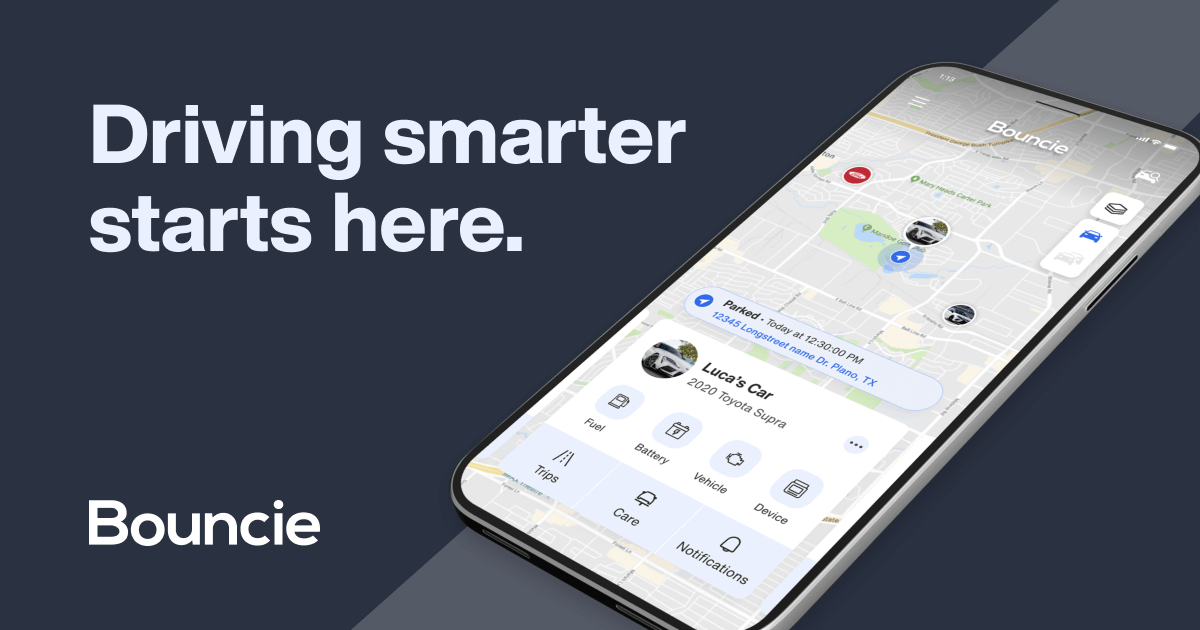
Products such as Bouncie and Vyncs give small operations location, route history, speed alerts and diagnostics without a sales process. Multi-device discounts and annual plans make them workable up to a handful of vehicles. Their limits appear when you need driver identity, maintenance workflows or compliance reporting.
What do fleet platforms add?
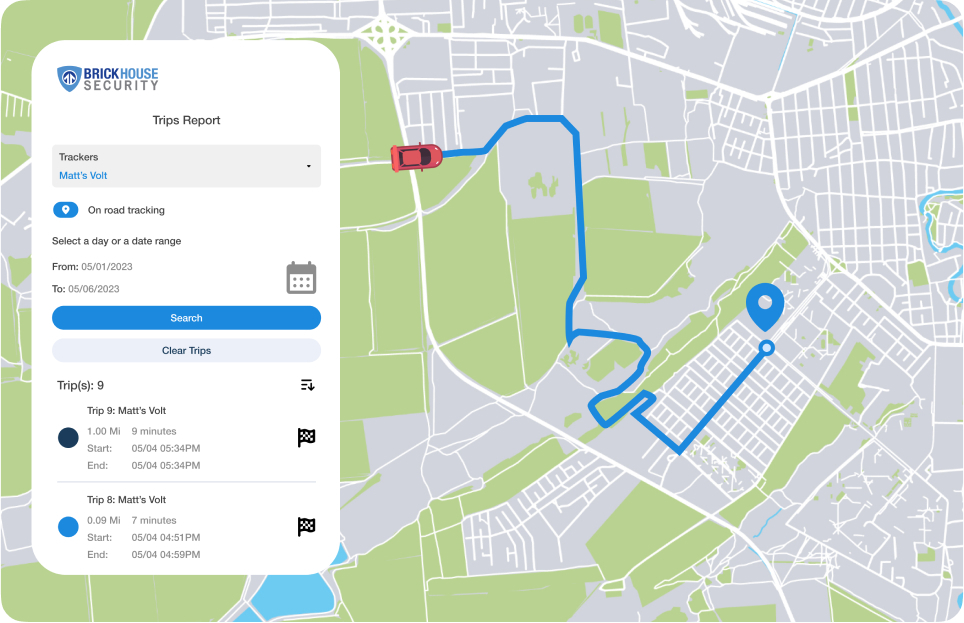
Fleet platforms add driver scoring, maintenance schedules, compliance tools and integrations that consumer apps lack.
Enterprise platforms such as GeoTab and Azuga organize data across vehicles and drivers, automate maintenance, and connect to other business software. Those layers matter once the fleet is large enough that manual review stops working. If you never open the reports, the platform cost is wasted.
How do hardware durability and install compare?
Consumer hardware is plug-in OBD; fleet platforms offer plug-in plus hardwired and ruggedized options for tamper resistance.
If drivers can unplug a tracker, consumer OBD hardware fails at fleet scale. Fleet platforms sell hardwired units that stay powered and hidden, which is why install standards matter more as fleets grow. The hardwired explainer covers the install trade-offs in detail.
How do pricing models differ?
Consumer products price per vehicle with transparent plans; fleet platforms price per vehicle with feature and contract terms from a sales team.
Consumer per-vehicle pricing is published and easy to model; fleet pricing usually requires a quote and includes support and platform features. The break-even is feature need, not vehicle count alone. Small fleets that only want location should stay consumer; fleets that need management should price the platform.
When is consumer hardware enough?
Consumer hardware is enough when you need location, trips and alerts for a small fleet and no one is unplugging the devices.
Up to about ten vehicles with cooperative drivers, consumer trackers often deliver 90 percent of fleet value at a fraction of the cost. The small-fleet guide walks through this range. Add a hardwired option only when unplugging becomes a pattern.
When should you move to fleet grade?
Move to fleet grade when you need driver scoring, maintenance, compliance, integrations or tamper-resistant installs at scale.
The trigger is a workflow, not a vehicle count: if you are exporting data to spreadsheets weekly or responding to unplugged devices, a platform saves real time. Price two platforms and one consumer option with your vehicle count before deciding, so the migration is based on numbers rather than marketing.
What is the recommendation by fleet size?
One to ten vehicles: consumer trackers; ten to fifty with management needs: a light fleet platform; larger or compliance-heavy fleets: enterprise telematics.
There is no universal cutoff because driver cooperation and reporting needs vary. Start with the smallest tool that answers your questions, model the cost per vehicle, and step up only when a workflow demands it. Overbuying is the most common mistake in fleet tracking.
FAQ: consumer or fleet tracker
Do I need fleet-grade GPS or is consumer enough?
Consumer hardware is enough for small, cooperative fleets that only need location and trips. Move up when you need driver scoring, maintenance, compliance or tamper-resistant installs.
Are consumer trackers reliable for business?
Yes for tracking basics, but OBD plugs can be removed by drivers. If unplugging happens, hardwired or fleet-grade hardware is the answer.
Why is fleet software more expensive?
Fleet pricing includes platform features, support and often hardware service. Compare per-vehicle totals and the workflows the platform removes before judging the price.
Can I start consumer and migrate later?
Yes. Many fleets start with Bouncie or Vyncs and migrate when reporting needs grow; keep device records so the migration is orderly.
Use the small-fleet guide to model the consumer option, then compare platforms once your workflows demand more.