OBD and magnetic trackers solve the same problem with opposite trade-offs: an OBD plug-in borrows the car’s power and is effortless but visible, while a magnetic battery tracker hides anywhere but must be recharged. Choosing the type — before the brand — is the most important decision in car tracking, and this guide shows exactly which type fits daily drivers, parked cars and theft recovery.
How do OBD and magnetic trackers differ?
OBD trackers plug into the car’s diagnostic port for power and data, while magnetic trackers run on internal batteries and mount magnetically anywhere.
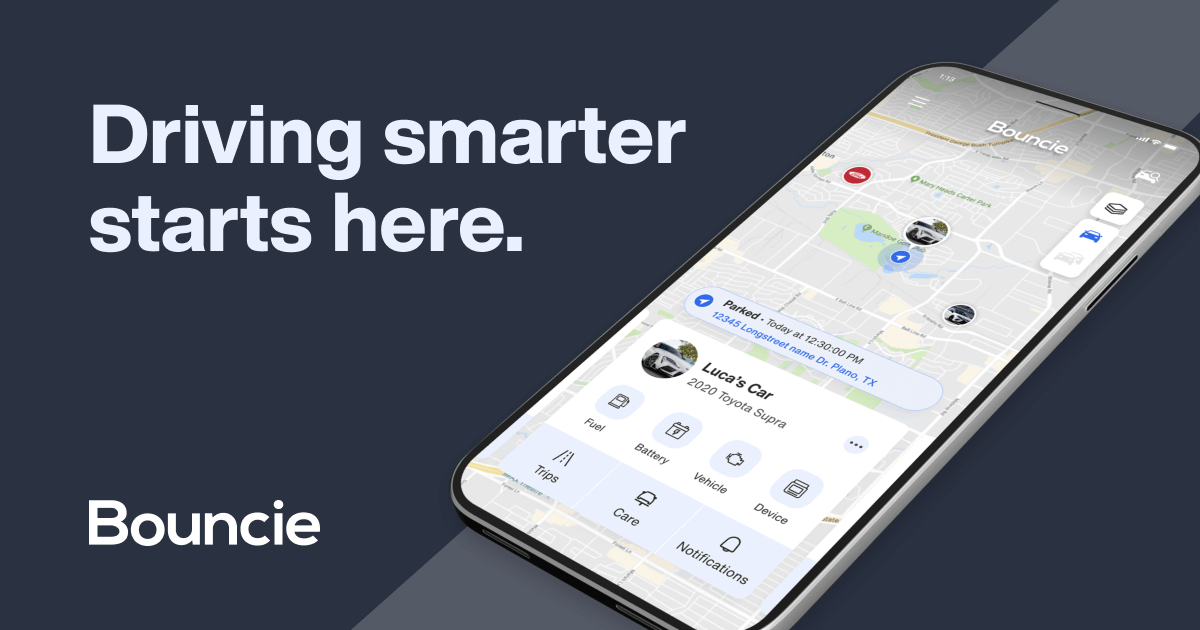
The OBD device is the lower-maintenance choice for a driven car: the port powers it and every trip is reported. The magnetic device is the independent choice: no port required, works with the car battery disconnected, but needs recharging on a schedule. Model examples include Bouncie and Vyncs on the OBD side and LandAirSea 54 and Tracki on the magnetic side.
Which type handles parked cars better?
Magnetic trackers handle parked cars better because they do not depend on the OBD port staying powered or worry about parasitic drain.
An OBD device on an always-powered port adds a small parasitic load that can matter during long idle periods, and a switched port can silence the tracker entirely. A magnetic tracker keeps working while parked as long as its battery is charged and its update mode is set sensibly. For cars that sit for weeks, magnetic is the safer type.
Which type is better for theft recovery?
Magnetic trackers are better for theft recovery because they hide on the vehicle and keep reporting even if the car battery is disconnected.
An OBD plug is visible and removable in seconds, which defeats theft tracking. A magnetic tracker on clean steel can survive discovery longer and does not rely on the car’s electrical system. For recovery, the magnetic type plus a fast update mode is the closest consumer option to the job, with the LandAirSea 54 being the dedicated build.
How do subscription costs compare?
Costs overlap: OBD plans range from about $8 to $25 per month, and magnetic plans from about $9.95 to $25, so the type does not decide the price.
Bouncie and Vyncs OBD plans and Tracki and LandAirSea magnetic plans all sit in a similar band, with device price and plan tier driving the year-one total. The real cost difference is maintenance: magnetic owners add battery time, while OBD owners accept port dependence. Compare the year-one total for the specific device, not the type.
Who should choose an OBD tracker?
Choose OBD when the car is driven daily, you want trip reports and alerts with zero maintenance, and the visible plug is acceptable.
Families monitoring a teen, owners checking driving habits and small fleets all fit OBD trackers such as Bouncie and Vyncs. The type requires the port and works best when the car is used regularly. If the car sits for weeks or the plug is a problem, choose magnetic instead.
Who should choose a magnetic tracker?
Choose magnetic when the vehicle or asset sits for long periods, concealment matters, or no OBD port is available.
Trailers, boats, stored cars and theft-conscious owners fit magnetic trackers such as the LandAirSea 54 and Tracki. The type asks for battery discipline: set the update mode, recharge on a calendar schedule and test after each charge. If the asset is a daily driver and you want effortless reports, OBD is the simpler type.

What is the verdict: OBD or magnetic?
Pick OBD for effortless daily-driver tracking; pick magnetic for hidden, battery-powered coverage of parked cars and assets.
Most buyers should choose by the car’s use: driven daily means OBD simplicity, parked long or theft-prone means magnetic independence. Some owners run both — an OBD unit for daily data and a magnetic unit as a recovery layer. For permanent always-on power, the hardwired type is the third option covered in the hub guide.
FAQ: OBD versus magnetic trackers
Which is better: an OBD or magnetic GPS tracker?
OBD is better for a daily-driven car needing effortless reports; magnetic is better for parked cars, trailers and theft recovery where concealment and battery independence matter.
Does an OBD tracker drain the battery when parked?
It can, if the port stays powered and the car sits for weeks. Magnetic trackers avoid parasitic drain but need recharging themselves.
Can a magnetic tracker work without a car battery?
Yes — magnetic trackers run on their internal battery, which is why they suit trailers and stolen-car scenarios where the car battery may be disconnected.
Do I need a subscription for either type?
Yes. Both transmit over cellular networks and require an active plan; compare device plus twelve months of service for the specific model.
Choose your type with the buyer’s guide, then compare the top OBD and magnetic models in the hub guide.