Rental fleets track vehicles for different reasons than owner-operators: mileage enforcement, after-hours movement, late returns and damage disputes. The setup needs clear disclosure in the rental agreement, alerts that flag policy violations and per-vehicle costs that the rental rate can absorb. This guide covers choosing devices, configuring alerts, legal disclosure and the fleet routine.
What does a rental fleet need from tracking?
It needs mileage and trip visibility, movement alerts outside rental windows and records that support billing and damage disputes.
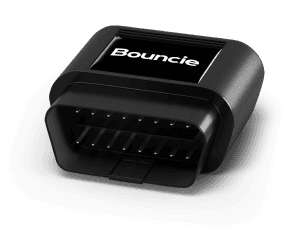
Consumer platforms such as Bouncie and Vyncs can serve small rental operations; larger fleets should evaluate telematics platforms such as GeoTab. The data becomes evidence, so record keeping matters as much as live location.
Which tracker type fits rental cars?
OBD plug-ins fit most rental cars for mileage and trip data; hardwired units suit fleets where renters may remove devices.
Plug-ins install in minutes and read odometer-style data through the platform. Hardwired units remove the unplug problem but add install cost per vehicle. For a rental fleet, the device should be invisible to the renter’s daily experience and impossible to remove casually — which pushes growing fleets toward hardwired.
How do you set it up legally?
Disclose tracking in the rental agreement, state what data is collected and give renters the policy before they take the car.
Rental tracking is common, but transparency is the legal and reputational foundation. The agreement should name location and mileage monitoring, and the business should use the data only for legitimate rental purposes. Our responsible-use policy applies the same disclosure standard.
Which alerts should you configure first?
Set rental-window movement alerts, mileage thresholds, geofences around the lot and unplug alerts before the first rental.
These four flag the policy violations that cost money: driving outside the rental window, mileage over the agreement, unauthorized trips and removed devices. Review violations consistently so renters know the policy is enforced, and keep the records for deposits and disputes.
What should you budget per vehicle?
Budget about $8 to $25 per vehicle per month plus hardware, and absorb the cost into the rental rate or a tracking fee disclosed in the agreement.
Consumer multi-device plans cover small fleets cheaply; platforms add driver and maintenance tools at fleet scale. Hardwired installs add one-time labor. Model the per-vehicle annual cost and decide whether it is a rate line or an included service, then disclose it.
What happens when a vehicle is taken outside policy?
Follow the rental agreement: document the violation with the tracker records, contact the renter and apply the policy consequence.
The tracker turns disputes into evidence, which is why mileage and movement history must be stored. Act consistently on violations so the policy has meaning, and involve law enforcement promptly if a vehicle appears stolen rather than merely over-extended. Recovery guidance is in the theft-recovery guide.

What is the recommended rental-fleet setup?
Use disclosed OBD tracking with rental-window alerts for small fleets, and hardwired units or a platform as the fleet grows.
Bouncie and Vyncs cover the start; Brickhouse-class diagnostics and GeoTab-style platforms add scale. Write the disclosure, configure the four alerts, store the records and enforce consistently.
FAQ about GPS trackers for rental businesses
Is it legal to track rental cars?
Yes when disclosed in the rental agreement and used for legitimate rental purposes. State what is collected before the renter takes the car.
What is the best tracker for a rental fleet?
OBD platforms such as Bouncie or Vyncs for small fleets, with hardwired units or telematics platforms as the operation grows.
Can I charge renters for tracking?
Yes, if the fee is disclosed in the agreement. Many businesses absorb tracking into the rate or add a disclosed fee.
How do I handle a vehicle that never returns?
Check the tracker history, follow your agreement’s late-return process and report suspected theft to law enforcement with the live location.
Model per-vehicle costs with the small-fleet list, then read the Bouncie and Vyncs reviews before rollout.