OBD and hardwired trackers both use vehicle power, but one is a five-minute plug-in and the other is a permanent electrical install. OBD wins on simplicity and reversibility; hardwired wins on tamper resistance and always-on behavior. This guide compares installation, reliability, lease implications and real cost so you can decide whether permanent wiring is worth it for your car or fleet.
How do OBD and hardwired trackers differ?
OBD trackers plug into the diagnostic port, while hardwired trackers connect directly to a vehicle circuit and stay powered permanently.
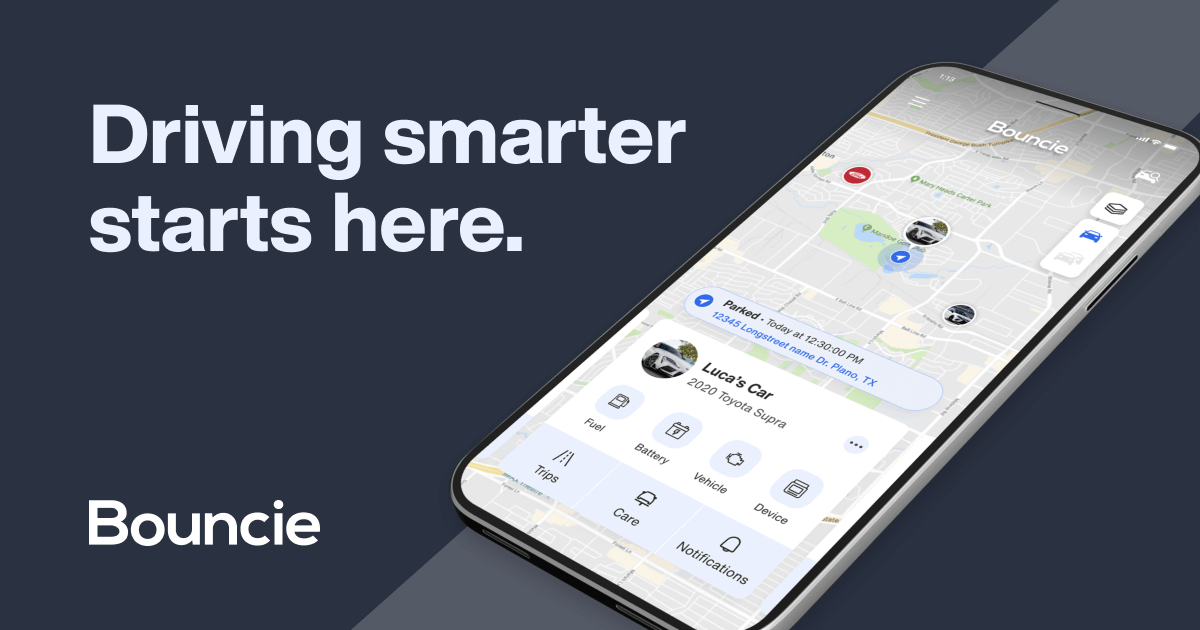
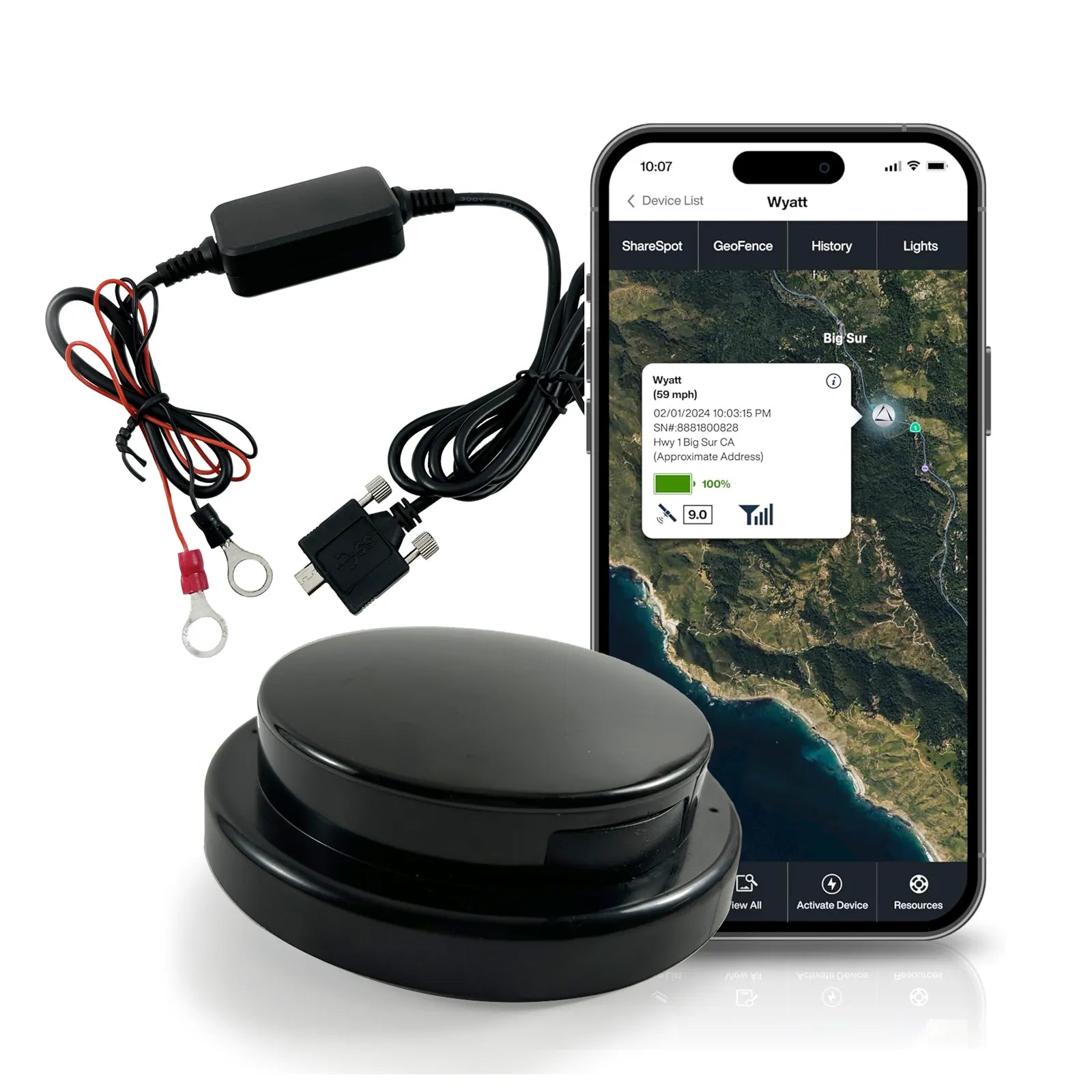
An OBD device such as Bouncie installs in minutes, needs no modification and can be removed easily. A hardwired unit such as LandAirSea’s Overdrive Permanent or Spytec’s Pulse is wired to power, hidden from view and cannot be unplugged by a thief.
Which type is more tamper-resistant?
Hardwired trackers are far more tamper-resistant because there is no visible plug to pull and the wiring can be hidden.
A thief can remove an OBD device in seconds, ending tracking instantly. A hardwired unit is concealed and powered directly, so it keeps reporting until it is found and physically disconnected. For theft protection and fleet accountability, hardwired is the stronger type.
How do installation and risk compare?
OBD installs take minutes with no risk; hardwired installs require wiring knowledge and can damage the vehicle if done incorrectly.
Plugging into the OBD port is reversible and safe on any car with the standard port. Hardwiring means finding a fused circuit, using the correct fuse tap and routing cable safely, which is why professional installation is often worth the cost. Lease agreements and warranties are another factor: OBD plug-ins usually need no permission, while hardwired modifications may.
How do costs compare?
Hardwired tracking costs more in year one because installation labor is added to the device and the cellular plan.
OBD plans run roughly $8 to $25 per month plus a device, while hardwired plans are similar on the service side but add the install. Skipping the professional install saves money but transfers electrical risk to the owner. Model the year-one total with labor before choosing hardwired.
Who should choose an OBD tracker?
Choose OBD for a daily-driven car or leased vehicle where simplicity, reversibility and low install cost matter more than tamper resistance.
Families, small fleets and lease drivers fit OBD trackers such as Bouncie and Vyncs. The type works best when the car is driven regularly and the visible plug is acceptable. If unplugging is a real risk or the car sits for long periods, hardwired or magnetic is the better type.
Who should choose a hardwired tracker?
Choose hardwired for vehicles that need permanent, tamper-resistant tracking — typically fleet vehicles, high-theft cars and owner-operated trucks.
Hardwired units fit owners who want always-on reporting without battery routines and accept the installation. Fleets that cannot trust drivers to leave a plug in place are the clearest match. For stored assets with no wiring available, the magnetic type remains the practical alternative.
What is the verdict: OBD or hardwired?
Pick OBD for easy, reversible tracking of a driven car; pick hardwired when tamper resistance and always-on power justify the install.
Most consumers should start with OBD because it covers daily oversight at the lowest cost and risk. Fleets, high-theft owners and anyone who finds OBD plugs removed should step up to hardwired and pay for a correct install. If the vehicle sits without power, the magnetic type — not hardwired — is the third option, detailed in the hub guide.
FAQ: OBD versus hardwired trackers
Is a hardwired tracker better than OBD?
Hardwired is better for tamper resistance and always-on reporting; OBD is better for simplicity, reversibility and install cost. Choose by whether unplugging is a real risk.
Can I hardwire a tracker myself?
Yes, with wiring knowledge and the manufacturer’s guide, but a professional install is safer. A bad connection can silence the tracker or damage the vehicle.
Does hardwiring void a lease or warranty?
It can. Hardwiring modifies the vehicle, so check lease terms and warranty rules before installing; OBD plug-ins normally avoid that issue.
Which type is cheaper?
OBD is cheaper in year one because there is no installation labor. Hardwired plans are similar, so the install fee is the main cost difference.
Compare hardwired models and install guidance in the hardwired explainer, then see where magnetic fits in the hub guide.