Tracking a teen driver works only when the setup is transparent: the parent gets arrival and speeding alerts, the teen understands what is monitored, and the device stays in the car without drama. This guide walks through the features that matter, the legal and responsible setup, the alerts to configure first and the coaching routine that turns data into safer driving.
What does a teen-driver setup actually need?
It needs location, arrival alerts, speeding visibility and trip history delivered through an app the parent can read without a manual.
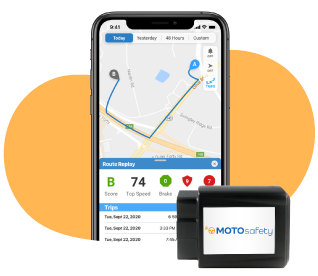
Products such as MOTOsafety, Bouncie and Vyncs cover the basics with different coaching depth. The setup succeeds when the parent reviews trips regularly and the teen knows the rules, not when alerts pile up unread.
Which tracker type fits a teen driver?
An OBD plug-in fits best because it stays in the car, needs no battery routine and reports every trip.
Magnetic battery trackers add recharging and are better suited to theft recovery, while finder tags cannot report trips reliably. OBD hardware is the family choice, with MOTOsafety leading on coaching features and Bouncie on simplicity. The OBD explainer covers port and battery questions.
How do you set it up legally and responsibly?
Tell the teen the tracker is installed, agree on which alerts exist, and check that you are authorized to monitor the vehicle.
Consent turns the device into a safety tool rather than surveillance, and state rules generally make tracking your own vehicle with a disclosed policy the safe path. Keep the conversation about coaching — arrival and speeding feedback — rather than constant real-time monitoring. Our responsible-use policy applies the same standard.
Which alerts should you configure first?
Set the home geofence, arrival alerts, speed alerts and a curfew window before you hand the car over.
Those four cover the questions parents actually ask: did they arrive, are they speeding, and are they out late. Add trip history review weekly and discuss one or two events per conversation instead of everything. Over-alerting teaches the teen to ignore the system.
What should you budget?
Budget a device plus roughly $10 to $25 per month, or an annual bundle, and compare the year-one total for your plan tier.
Bouncie and MOTOsafety bill monthly; Vyncs bundles annually. Families tracking two cars should check multi-device discounts. The cost is subscription-driven, so choose the tier that delivers the alerts you will actually use, as modeled in the teen-driver list.
What happens if the tracker is unplugged?
Treat an unplugged tracker as a coaching event, not a mystery: ask why it happened and agree on the rule that keeps it plugged in.
If unplugging repeats, switch to a hardwired install or make the consequence clear in the family driving agreement. The response should be consistent and calm, because the goal is a habit, not a cat-and-mouse game. Document the agreement so both sides know what happens next time.

What is the recommended teen-driver setup?
Use an OBD tracker with a home geofence, arrival and speed alerts, weekly trip review and a written driving agreement.
MOTOsafety is the strongest choice when you want a report card; Bouncie is the value pick when simple alerts are enough. Add the agreement and the weekly review and the tracker becomes a coaching tool rather than a tracking tool. Start with one car and expand if the routine works.
FAQ about GPS trackers for teen drivers
Should I tell my teen about the tracker?
Yes. Transparency preserves trust and supports coaching, and hidden tracking raises consent questions. Agree on the alerts before installation.
What is the best tracker for a teen?
An OBD tracker such as MOTOsafety for coaching or Bouncie for simple alerts. Both report trips and speed without battery routines.
Can a tracker stop my teen from speeding?
No device prevents speeding, but speed alerts and trip reviews let parents respond consistently, which is what changes behavior over time.
Do teen trackers need subscriptions?
Yes. OBD trackers need cellular plans; budget about $10 to $25 per month or an annual bundle per vehicle.
Choose the device with the teen-driver list, then read the MOTOsafety and Bouncie reviews for full setup details.