Bouncie and Tracki represent the two poles of consumer tracking: Bouncie is a plug-in OBD tracker for one daily-driven car, while Tracki is a battery-powered magnetic mini that moves between cars, luggage and gear. Comparing them directly means deciding which failure you are solving — who is driving the car, or where did the asset go — and then comparing the subscription and battery math that follows.
Why do Bouncie and Tracki get compared so often?
Because both are affordable best sellers, but Bouncie’s OBD plug-in and Tracki’s magnetic mini solve different tracking jobs.
Buyers who search “best car tracker” see Bouncie for simplicity and Tracki for value and versatility. The real question is form factor: Bouncie needs the car’s OBD port and reports every trip, while Tracki hides magnetically with its own battery and needs recharging. Define the use case first and the choice narrows quickly.
How do hardware and installation compare?
Bouncie plugs into the OBD-II port in minutes; Tracki mounts with a magnet or clip and needs no wiring but runs on a battery.
Bouncie is the lower-maintenance option for a daily driver because the car powers it; Tracki is the more flexible option because it can protect a car, trailer, bike or bag without wiring. Tracki’s cost is battery discipline — recharge on a schedule that matches its update mode — while Bouncie’s cost is the visible plug a thief can remove. The trade-offs are covered in the OBD and magnetic explainers.
How do the apps compare?
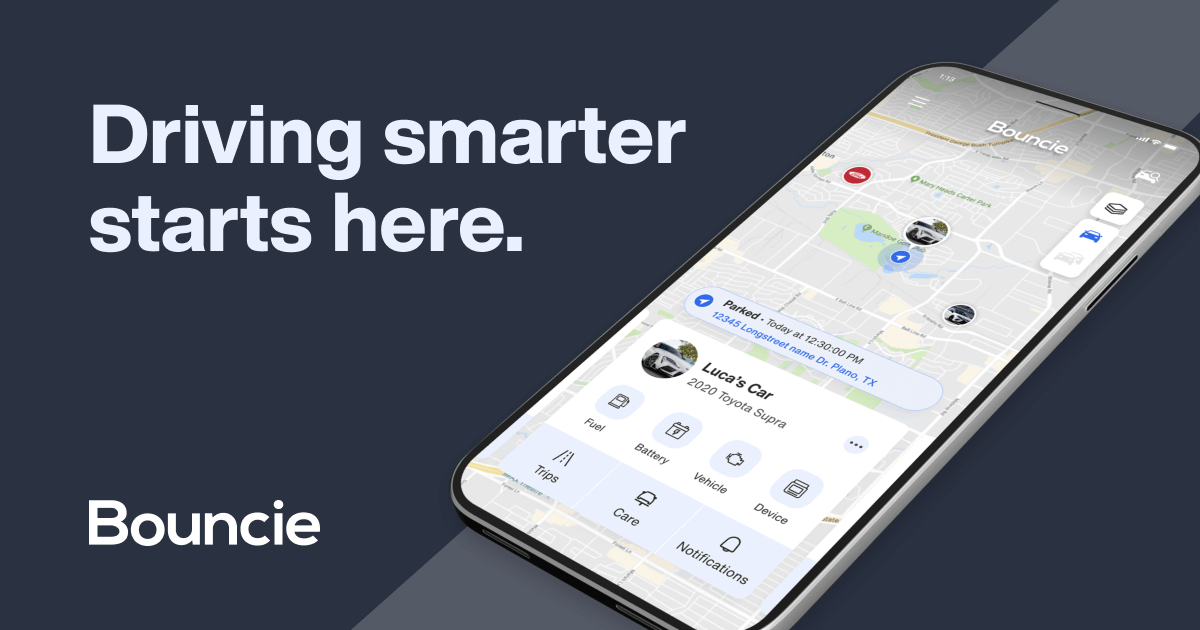
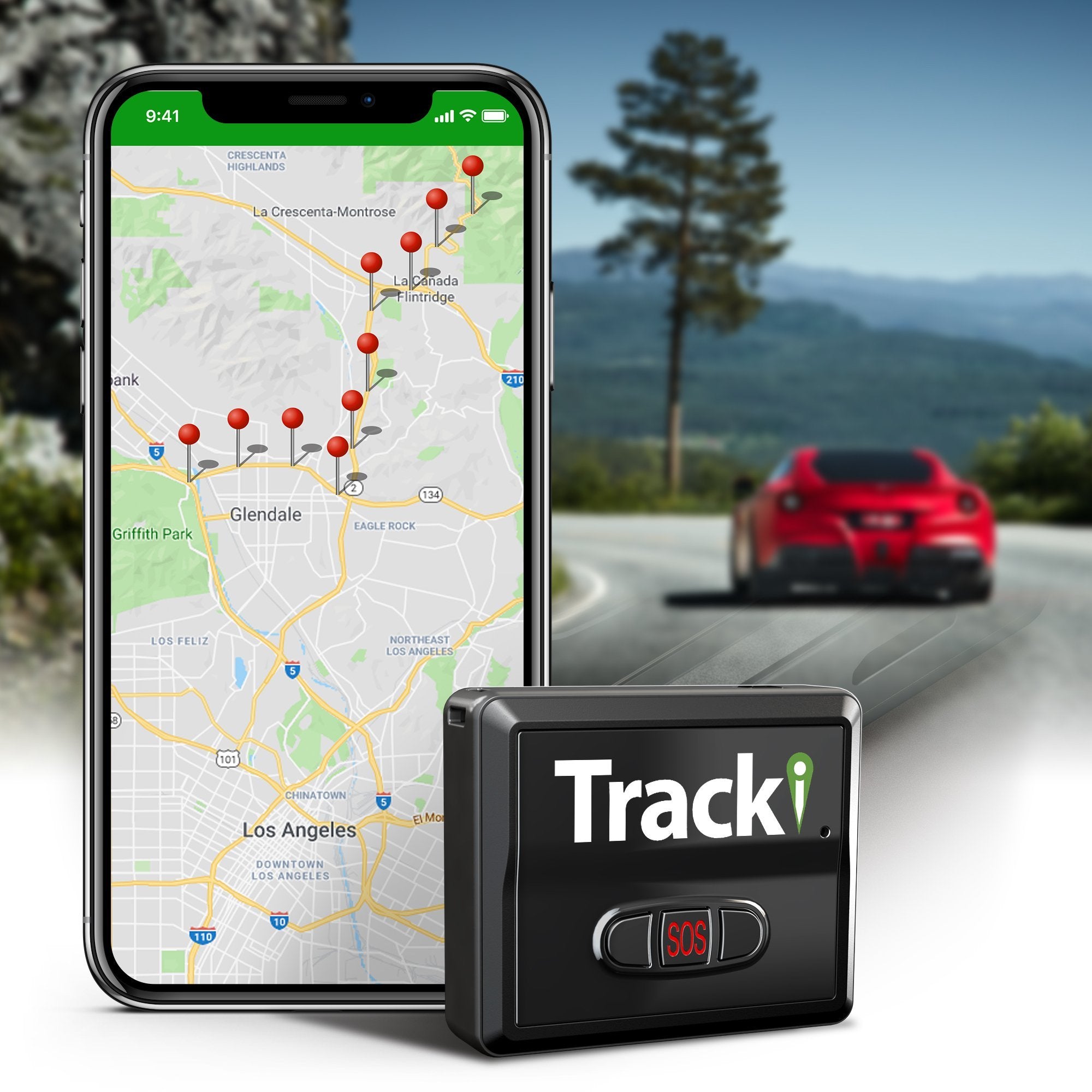
Bouncie’s app is a clean family dashboard with trips, zones and driving alerts; Tracki’s app manages many assets with geofences, SOS and history.
Bouncie suits a household that wants to know where the car is and how it was driven. Tracki suits an owner managing multiple devices and asset types from one account, with more configuration and an SOS button. Both provide iOS, Android and web access; choose the dashboard that matches how many things you track.
How do subscription costs compare?
Bouncie costs a device plus a monthly plan with a discount at three or more; Tracki costs less per month and more in battery maintenance.
Bouncie’s pricing page shows its monthly model and multi-device discount; Tracki’s product page lists plans from about $9.95 per month. Over a year Tracki is usually cheaper, but only if the owner keeps the battery charged and picks the right update mode. Price the plan tier that delivers the updates you need, then compare.
How do accuracy and update speed compare?
Bouncie emphasizes instant updates from car power; Tracki’s updates depend on the mode you choose and its battery budget.
Bouncie can report frequently without battery worry, which suits family oversight. Tracki documents battery-save modes and a faster live mode, so owners choose the speed they need and accept the drain. GPS accuracy follows reception on both; neither guarantees street-level fixes in garages. For theft-grade speed on a parked car, Tracki’s fast mode drains quickly, so match the mode to the risk.
How do battery and power draw compare?
Bouncie draws small current from the OBD port; Tracki runs entirely on its battery and needs recharging on a schedule.
Bouncie’s risk is a long-idle car with a weak battery; Tracki’s risk is a dead internal battery discovered after an event. Daily drivers handle both easily if the port is normal and the recharge reminder is kept. Owners who park for weeks should favor Tracki’s independence with battery-save settings, or accept that Bouncie depends on the car’s port behavior.
Who does each tracker fit best?
Bouncie fits a household tracking one daily-driven car simply; Tracki fits owners tracking cars, trailers, bikes and gear on a budget.
Choose Bouncie for zero-maintenance daily oversight with driving reports. Choose Tracki for flexibility and low cost across multiple assets, accepting the recharge routine. If theft recovery of a parked car is the priority, Tracki’s magnetic form is closer to the job than Bouncie’s visible plug, but a rugged unit like the LandAirSea 54 is built for that use.
What is the verdict: Bouncie or Tracki?
Pick Bouncie for simple daily-driver tracking; pick Tracki when flexibility and low cost matter more than an always-plugged car report.
If the job is monitoring one family car, Bouncie’s OBD power and clean app win. If the job is protecting several assets or staying within a tight budget, Tracki’s magnetic mini and lower plans win. Most households that try both end up using Tracki for gear and keeping Bouncie or a similar OBD unit for the car they drive daily.
FAQ about Bouncie and Tracki
Which is cheaper: Bouncie or Tracki?
Tracki is usually cheaper with plans from about $9.95 per month, while Bouncie adds a monthly plan to a device purchase. Include battery accessories and the plan tier you need in the year-one total.
Can Tracki replace Bouncie for a family car?
It can track the car, but it needs recharging and lacks Bouncie’s trip-report simplicity. For a daily family car, Bouncie is lower maintenance; Tracki is better for flexibility across assets.
Does Bouncie work without the OBD port?
No — Bouncie is an OBD plug-in and needs the car’s port for power and data. Tracki does not need the port, which is why it suits trailers and other vehicles.
Which is better for theft recovery?
Tracki’s magnetic form is easier to hide than Bouncie’s visible OBD plug, but a rugged unit like the LandAirSea 54 is built specifically for theft recovery with a weatherproof design.
Read the full Bouncie and Tracki reviews, then compare both with the LandAirSea 54 in the hub guide.