Magnetic and hardwired trackers are the two ways to hide a tracker on a vehicle, and they trade stealth for power in opposite directions: a magnetic unit installs in minutes with its own battery but needs recharging, while a hardwired unit is permanent and always on but requires a correct electrical install. Choosing between them means deciding whether battery discipline or wiring is the burden you will actually keep.
How do magnetic and hardwired trackers differ?
Magnetic trackers run on internal batteries and mount magnetically; hardwired trackers connect to the vehicle’s electrical system for permanent power.
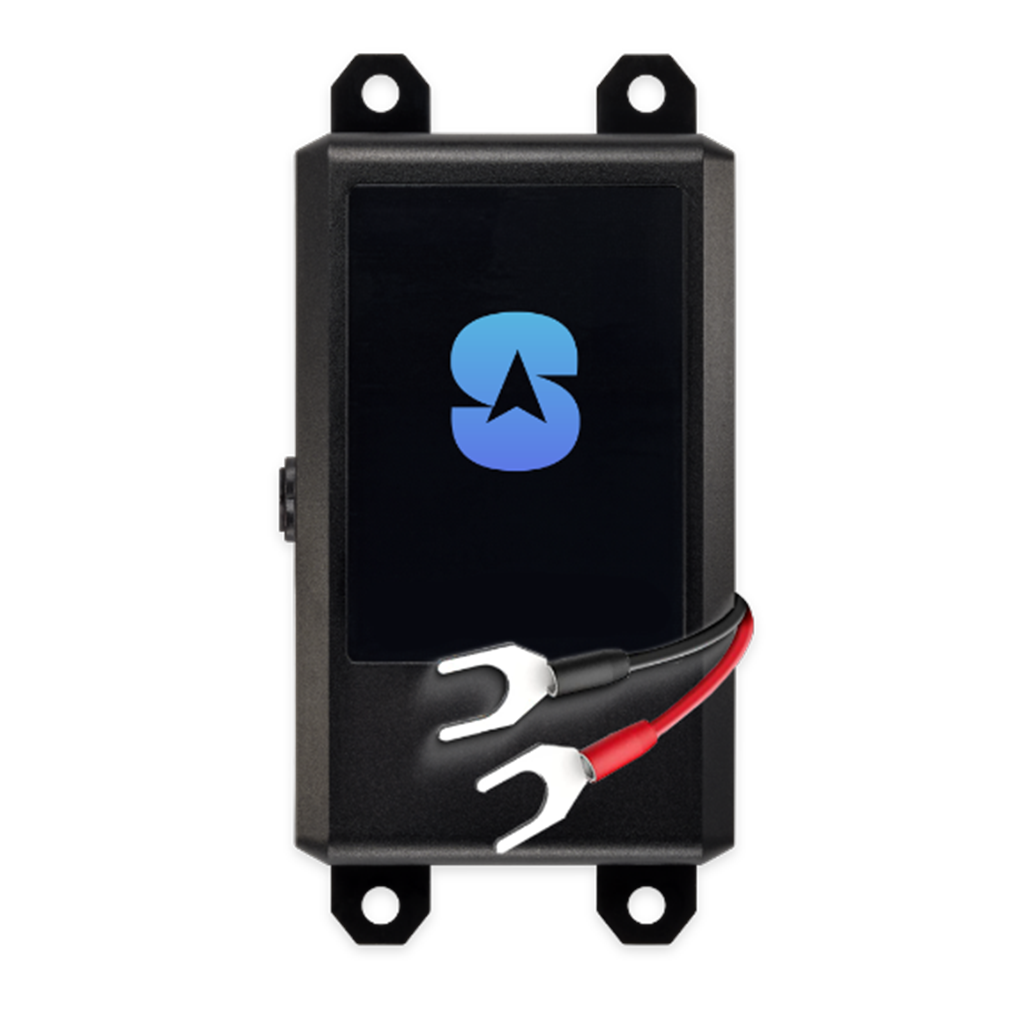
A magnetic unit such as LandAirSea 54 or Tracki hides on clean steel with no wiring and works even if the car battery is disconnected. A hardwired unit such as LandAirSea’s Overdrive Permanent or Spytec’s Pulse stays powered around the clock but needs installation.
Which type is more reliable over time?
Hardwired is more reliable because it never runs out of battery, while magnetic trackers depend on the owner’s recharge routine.
The most common failure of a magnetic tracker is a dead battery discovered after an event. Hardwired units remove that failure mode by drawing from the vehicle, but they introduce install risk: a wrong circuit or fuse can silence the device or damage the car. Reliability shifts from battery discipline to install quality depending on the type.

Which type is easier to install?
Magnetic is far easier to install: minutes, no tools and fully reversible, versus wiring that usually deserves a professional.
A magnetic tracker mounts on clean steel and is removed as easily as it is attached, which suits owners who move trackers between assets. Hardwired installs modify the vehicle, need fuse and circuit knowledge and can affect leases and warranties. If installation effort is the deciding factor, magnetic wins decisively.
How do costs compare?
Hardwired costs more in year one because installation labor is added to the device and plan; magnetic plans are similar on service.
Magnetic plans from Tracki and LandAirSea run roughly $10 to $25 per month, and hardwired plans from the same vendors sit in a similar band. The hardwired total adds professional installation, which can exceed $100. Magnetic owners instead add battery time, so the real cost comparison includes labor versus maintenance.
Who should choose a magnetic tracker?
Choose magnetic for stored cars, trailers, boats and assets where no wiring is available or the device must move between items.
Magnetic units fit owners who want stealth without modifying the vehicle and who will recharge on a schedule. They also suit assets without a reliable power source. If the device will sit on one daily-driven vehicle and never move, hardwired may be worth the install.
Who should choose a hardwired tracker?
Choose hardwired for daily-driven fleet vehicles and cars where permanent, always-on power and tamper resistance justify the installation.
Hardwired units fit owners and fleets that cannot manage battery routines and want the most tamper-resistant consumer option. The install must be done correctly, and lease or warranty implications should be checked first. For a vehicle that sits unpowered, magnetic remains the better type.
What is the verdict: magnetic or hardwired?
Pick magnetic for zero-wire stealth on parked assets; pick hardwired for permanent always-on power on daily-driven vehicles.
Most theft-conscious owners start with magnetic because it is reversible and needs no install. Owners and fleets who want the highest reliability without battery routines should choose hardwired and pay for a correct install. If the vehicle is driven daily but the visible plug is the only objection, the OBD type remains the easy middle ground in the hub guide.
FAQ: magnetic versus hardwired trackers
Which is more reliable: magnetic or hardwired?
Hardwired is more reliable once installed correctly because it never needs recharging. Magnetic reliability depends on the owner’s recharge routine and update settings.
Can a magnetic tracker be found by a thief?
Yes, with a careful search or RF detection. Hardwired units are harder to find but not impossible; concealment improves the odds and neither type guarantees recovery.
Does hardwiring affect my warranty?
It can, because it modifies the vehicle. Check lease and warranty terms before installing; magnetic trackers avoid that concern entirely.
Which costs more over a year?
Hardwired usually costs more in year one because of installation labor. Plans are similar, so the install fee is the main difference.
Read the hardwired install guide before connecting anything, and use the buyer’s guide to place magnetic, OBD and hardwired against your use case.