Fleet tracking succeeds when the setup matches the operation: the right device type, a written driver policy, alerts configured for real questions and a budget model per vehicle. This guide walks small fleets through choosing OBD or hardwired units, setting up responsibly, configuring alerts and knowing when a platform is worth the cost.
What does a fleet setup actually need?
It needs multi-vehicle dashboards, driver and trip visibility, and devices drivers cannot silently defeat.
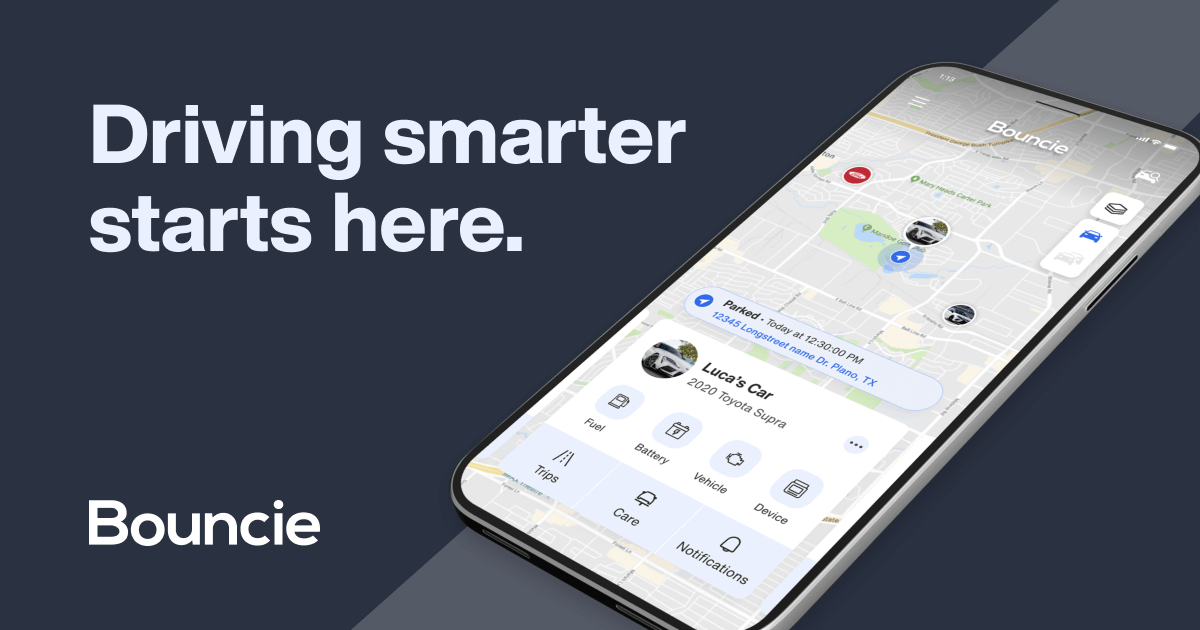
Consumer options such as Bouncie and Vyncs cover small fleets; platforms such as GeoTab add driver scoring and compliance at fleet scale. Start with the smallest tool that answers your questions, then scale.
Which tracker type fits fleets?
OBD plug-ins fit small, cooperative fleets; hardwired units fit operations where drivers might remove devices.
Plug-ins install in minutes and cost less, but they are visible and removable. Hardwired units such as LandAirSea’s Overdrive Permanent stay powered and hidden. The OBD versus hardwired guide explains when to step up.
How do you set it up legally?
Publish a written tracking policy, tell drivers what is monitored, and track only company vehicles or vehicles you are authorized to monitor.
Employer tracking of company vehicles is generally legal when disclosed through policy, while tracking personal vehicles needs consent. Share the policy before installation so drivers know alerts exist. Our responsible-use policy applies the same standard.
Which alerts should you configure first?
Set yard geofences, after-hours movement alerts, speeding alerts and unplug/tamper alerts before rollout.
Those four answer the questions fleet owners actually ask: is the vehicle where it should be, is it being driven safely, and is the device still working. Review trips weekly instead of reacting to every alert, and use the data to coach rather than punish.
What should you budget per vehicle?
Budget roughly $8 to $25 per vehicle per month plus hardware, with multi-device discounts on consumer plans and quotes on platforms.
Bouncie discounts at three or more devices; Vyncs bundles annually; hardwired adds install labor. Model the per-vehicle annual total and add driver-management costs only when the workflow demands them. The small-fleet list shows the math.
What happens when a device is unplugged?
Treat an unplug as a policy event: log it, follow the agreed consequence, and escalate to hardwired if it repeats.
One unplug can be accidental; repeated unplugs mean the policy or hardware is wrong for your fleet. Hardwired installs remove the option entirely. Keep the response consistent so drivers understand the rule is real.
What is the recommended fleet setup?
Start with OBD units and a written policy for small fleets; move to hardwired and a platform when unplugs or reporting needs grow.
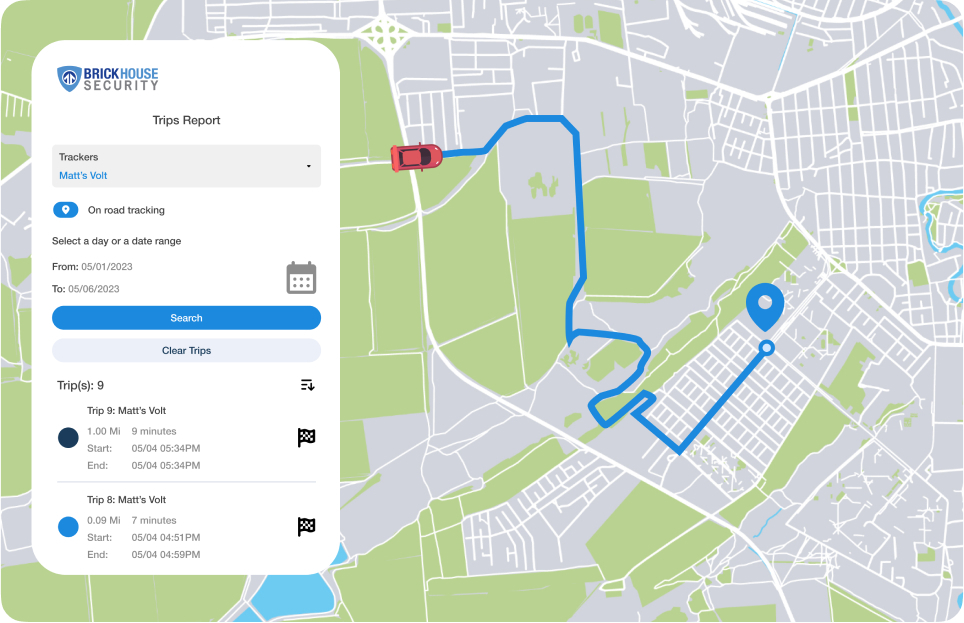
Bouncie or Vyncs covers most small fleets at low cost; Brickhouse’s TrackPort Pro adds diagnostics for vehicles you maintain closely. Set the policy, configure the four core alerts, review weekly and scale deliberately.
FAQ about GPS trackers for fleets
What is the best tracker for a small fleet?
Bouncie for value and simple dashboards, Vyncs for annual billing, and hardwired or fleet platforms when unplugs or compliance needs appear.
Is tracking company vehicles legal?
Generally yes when disclosed through a written policy, but rules vary. Personal vehicles require consent; check local law before rollout.
Do fleet trackers need subscriptions?
Yes, per vehicle. Budget about $8 to $25 monthly or an annual bundle, plus hardware and possible installation.
When should I switch from consumer to fleet hardware?
When drivers unplug devices, you need driver scoring or compliance, or reporting volume outgrows consumer apps.
Model the small-fleet cost in the small-fleet list, then read the Bouncie, Vyncs and Brickhouse reviews before rollout.