Most cellular GPS trackers need a subscription because the device transmits over a cellular network, and someone pays for that data. Some vendors bill monthly, others sell annual bundles with no monthly fee, and finder tags such as AirTag avoid service fees by using nearby phones. This guide explains the billing models, the fine print and how to compare true cost.
Do GPS trackers need a subscription?
Yes for cellular trackers — the SIM needs an active plan — while phone-network finder tags have no fee and passive loggers need none but do not report live.
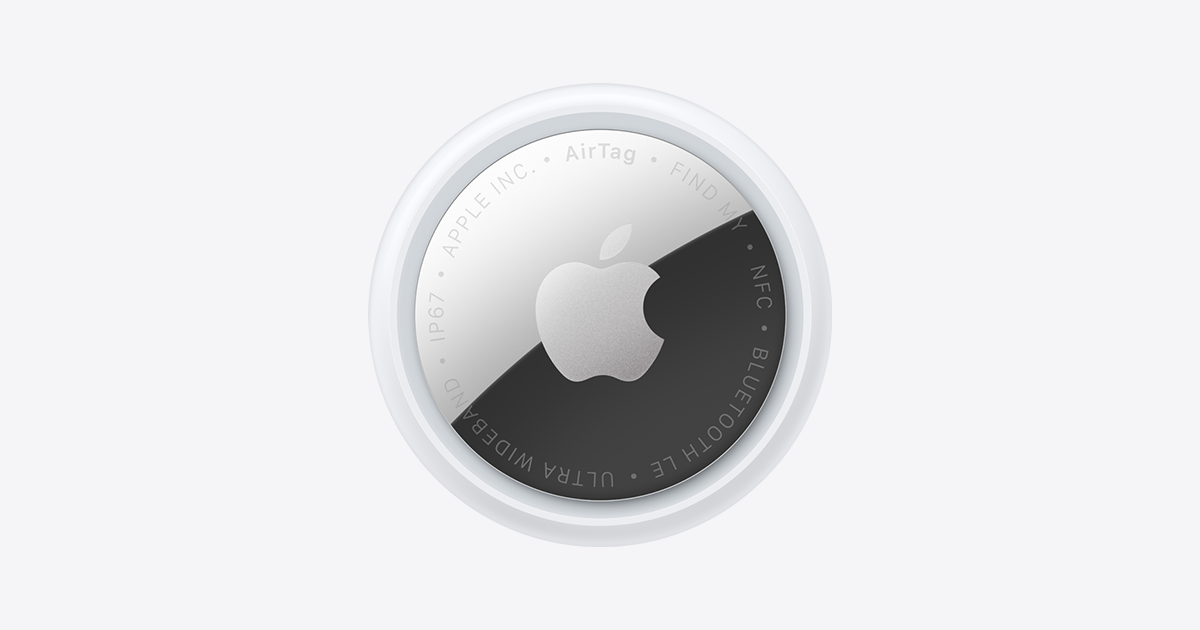
If a device reports live location over its own cellular connection, it requires a data plan. Billing comes monthly, like Bouncie, or annually, like Vyncs and SpaceHawk. Finder tags such as AirTag have no fee but only report near phones.
What does the fine print really say?
Watch for activation fees, history limits, paid alert tiers and annual renewal terms that change the advertised price.
A cheap monthly plan with a 30-day history limit or an activation fee can cost more than a transparent annual bundle over three years. Read whether the plan renews automatically and what the renewal rate is. The no-subscription guide details the credibility checklist.
| Model | Billing | Typical cost | Trade-off |
|---|---|---|---|
| Monthly plan (Bouncie) | Per month, cancel anytime | ~$8-25/mo | Flexible but recurring |
| Annual plan (Vyncs, SpaceHawk) | One yearly payment | Similar annual total | Fewer bills, committed |
| Finder tag (AirTag, Tile) | None | Device only | Phone-dependent coverage |
Which subscription model is best?
Monthly suits short-term or cancel-any-time use; annual suits committed owners who prefer one bill; finder tags suit nearby finding only.
The choice is cash flow and commitment, not total cost, because annual and monthly cellular plans cost similar amounts over time. Buyers who dislike recurring bills should read the subscription versus no-monthly-fee guide before choosing a finder tag by price alone.

What are the common misconceptions?
The biggest is that “no monthly fee” means free tracking; it usually means annual prepay, and finder tags are not live GPS.
Another misconception is that the device price is the cost. The subscription decides the real price of a cellular tracker, so always add twelve months of service to the hardware. Finder tags genuinely have no fee, but their phone-dependent coverage is a different capability.
How do you compare real cost?
Add the device, twelve months of the plan tier you need and any activation or accessory fees, then compare annual totals.
Price the plan tier that delivers the update speed you need rather than the cheapest headline. Compare monthly plans, annual bundles and finder tags on a three-year horizon to see the real difference. The budget list shows verified options at each price point.
Related questions owners ask
Can I use a GPS tracker without paying monthly?
Cellular trackers need a plan, but annual prepay removes the monthly bill. Finder tags have no fee and use nearby phones instead of a cellular connection.
Why do some trackers advertise no monthly fee?
Usually because the service is prepaid annually, or because the device is a finder tag that borrows phone networks. Check the vendor’s terms before believing the headline.
Is a subscription worth it for a car tracker?
Yes when live tracking is the point, such as family oversight or theft recovery. If you only need nearby finding, a finder tag may be enough.
Model your cost with the hub guide, then read the Bouncie, Vyncs and SpaceHawk coverage before choosing a billing model.