A tracker for an elderly driver is bought to answer one question: did the car arrive safely, and can someone find it if it did not. The right setup is transparent, simple for the driver and built around arrival alerts rather than surveillance. This guide covers choosing the device, setting it up with consent, configuring caregiver alerts and budgeting for the family.
No tracker is a medical device or a guarantee of safe driving. Use the data to support conversations with the driver and, where appropriate, a clinician’s advice about driving fitness.
What does an elderly-driver setup need?
It needs arrival alerts, location history and a simple app the adult child can read, with nothing for the senior driver to manage.
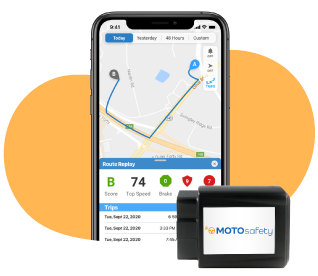
OBD trackers such as MOTOsafety, Bouncie and Vyncs fit because they stay plugged in and report every trip. The driver should never charge or configure the device; the adult child handles the account.
Which tracker type fits an elderly driver?
An OBD plug-in fits best because it is maintenance-free for the driver and reports trips without a battery routine.
Magnetic trackers add recharging and suit theft recovery more than daily oversight, and finder tags cannot confirm arrival reliably. Choose the OBD type and pick the brand by coaching style: MOTOsafety for report-style summaries, Bouncie for simplicity, Vyncs for annual billing.
How do you set it up with consent?
Talk with the driver first, explain what is monitored, and agree on which alerts the family receives before installing.
Transparency protects trust and usually gains cooperation; hidden tracking raises consent questions and creates resentment. Frame the device as a safety net — knowing the driver arrived — not as a check on every trip. Our responsible-use policy applies the same standard.
Which alerts should you configure first?
Set the home geofence, arrival alerts and an after-hours movement alert, and keep alerts limited to what the family needs.
Too many alerts teach everyone to ignore the system. Arrival alerts answer the daily question; an after-hours movement alert flags the situation that needs attention. Review trips only when something feels off, and discuss driving concerns directly with the driver and their doctor.
What should you budget?
Budget about $10 to $25 per month or an annual bundle, plus a device, for as long as the family wants coverage.
Bouncie and MOTOsafety bill monthly; Vyncs bundles annually. The cost is ongoing, so compare the year-one total and the coaching features each plan adds. The elderly-driver list shows the options side by side.
What should the caregiver routine include?
Check the arrival alert daily, review history weekly, and treat a missed alert as a call to the driver before anything else.
A missed arrival alert usually means a schedule change, not an emergency, so call first. Keep the driver’s doctor in the conversation when trips become confusing or risky, because a tracker reports behavior but cannot assess driving fitness. The routine should reduce worry, not multiply it.

What is the recommended elderly-driver setup?
Use an OBD tracker with a home geofence and arrival alerts, agreed with the driver and reviewed daily by the caregiver.
MOTOsafety suits families that want report-style summaries; Bouncie is the value choice for simple alerts; Vyncs fits annual budgets. Add the consent conversation and the daily check, and the device becomes a safety net rather than surveillance.
FAQ about GPS trackers for elderly drivers
Should I tell my parent about the tracker?
Yes. Transparency preserves trust and supports consent; hidden tracking can damage the relationship and raise legal questions.
What is the best tracker for an elderly driver?
An OBD tracker such as MOTOsafety for summaries, Bouncie for simplicity or Vyncs for annual billing. All three report arrivals without driver maintenance.
Can a tracker tell if driving is unsafe?
It can show trips, speeds and unusual patterns, which start a conversation, but it cannot assess medical fitness. Involve a clinician when safety is a concern.
Do these trackers need subscriptions?
Yes. Budget about $10 to $25 per month or an annual bundle plus a device for ongoing coverage.
Compare the models in the elderly-driver list, and read the MOTOsafety and Bouncie reviews before choosing.