Company-vehicle tracking works when the policy is clear before the hardware is installed: which vehicles are monitored, what the data is used for and who sees it. This guide covers choosing OBD or hardwired units for company cars and trucks, writing the disclosure, configuring alerts and budgeting per vehicle without overbuying.
What does a company-vehicle setup need?
It needs per-vehicle tracking, driver accountability, after-hours movement alerts and records that support policy enforcement.
Consumer platforms such as Bouncie and Vyncs serve small companies; platforms such as GeoTab add driver management at scale. Choose the smallest tool that answers your questions, then scale when reporting needs grow.
Which tracker type fits company vehicles?
OBD plug-ins fit small fleets with cooperative drivers; hardwired units fit companies where employees may remove devices.
Plug-ins install in minutes and cost less, but drivers can unplug them. Hardwired units from LandAirSea and Spytec remove that option and are the standard once unplugging appears. The OBD versus hardwired guide explains the step-up.
How do you set it up legally?
Publish a written vehicle-tracking policy, disclose it to employees and track only company vehicles or vehicles you are authorized to monitor.
Employer tracking is generally legal when disclosed, while tracking personal vehicles needs consent and may be restricted. Name what is monitored, who can see it and how violations are handled before rollout. Our responsible-use policy applies the same disclosure standard to businesses.

Which alerts should you configure first?
Set yard geofences, after-hours movement alerts, speeding alerts and unplug or tamper alerts before vehicles go out.
These four flag the behaviors that cost companies money: off-hours use, unsafe driving and disabled devices. Review trips weekly and use the data to coach drivers or enforce policy consistently. Alerts that are never acted on teach employees the system does not matter.
What should you budget per vehicle?
Budget roughly $8 to $25 per vehicle per month plus hardware, with hardwired installs adding one-time labor.
Bouncie discounts at three or more devices, Vyncs bundles annually and platforms price per vehicle with quotes. Model the annual per-vehicle total including install, and add driver-management features only when the workflow demands them. The small-fleet list shows the consumer math.
What happens when a device is unplugged?
Log the event, apply the policy consequence and escalate to hardwired if unplugging repeats.
One unplug can be an accident; repeated unplugs mean the policy or hardware is wrong for the fleet. Hardwired units remove the option, and consistent enforcement keeps the policy credible. Document each event so the response is fair and reviewable.
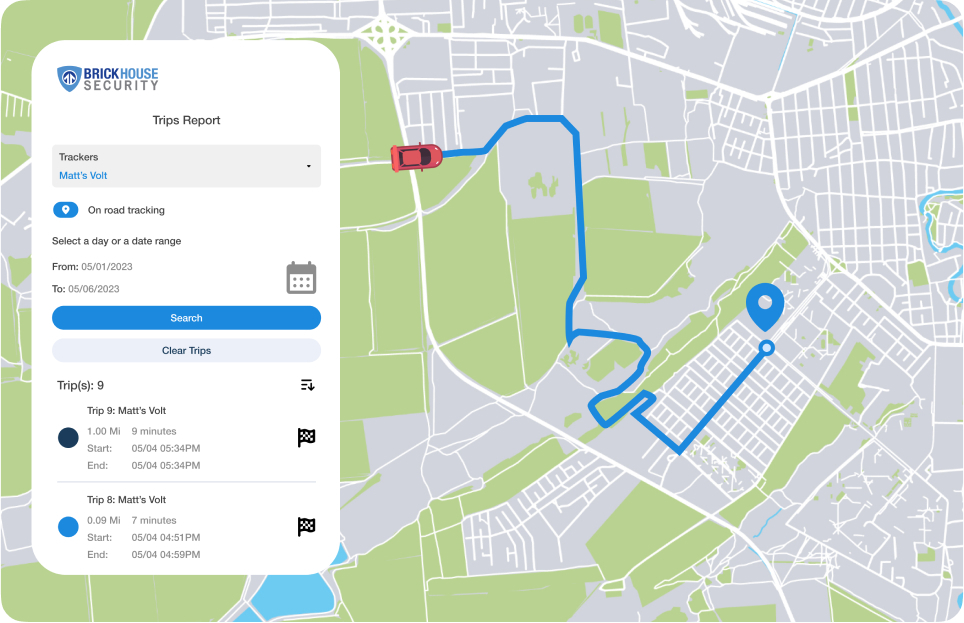
What is the recommended company-vehicle setup?
Start with disclosed OBD tracking and a written policy for small fleets, then move to hardwired and a platform as needs grow.
Bouncie or Vyncs covers the start; hardwired units handle unplugging; platforms add driver scoring and compliance. Write the policy, configure the four core alerts, review weekly and scale deliberately.
FAQ about GPS trackers for company vehicles
Can employers track company vehicles?
Generally yes when disclosed through a written policy; rules vary by region, and tracking personal vehicles requires consent. Check local law before rollout.
What is the best tracker for company vehicles?
OBD platforms such as Bouncie or Vyncs for small fleets, with hardwired units or telematics platforms as the operation grows.
Do employees need to be told about tracking?
Yes. Disclosure in a written policy is both the legal and practical foundation; surprises create resentment and disputes.
How much does company tracking cost?
About $8 to $25 per vehicle per month plus hardware, with higher totals when hardwired installs or platform features are added.
Use the small-fleet list to model costs, then read the Bouncie and Vyncs reviews before rollout.